

 Deutsch
 Español
 Français
Call us
+86-18023576732
+86-0579-89008006
Fax: +86-0579-82206899

Our team is proud to offer on time guarantee and product guarantee to customer satisfaction.
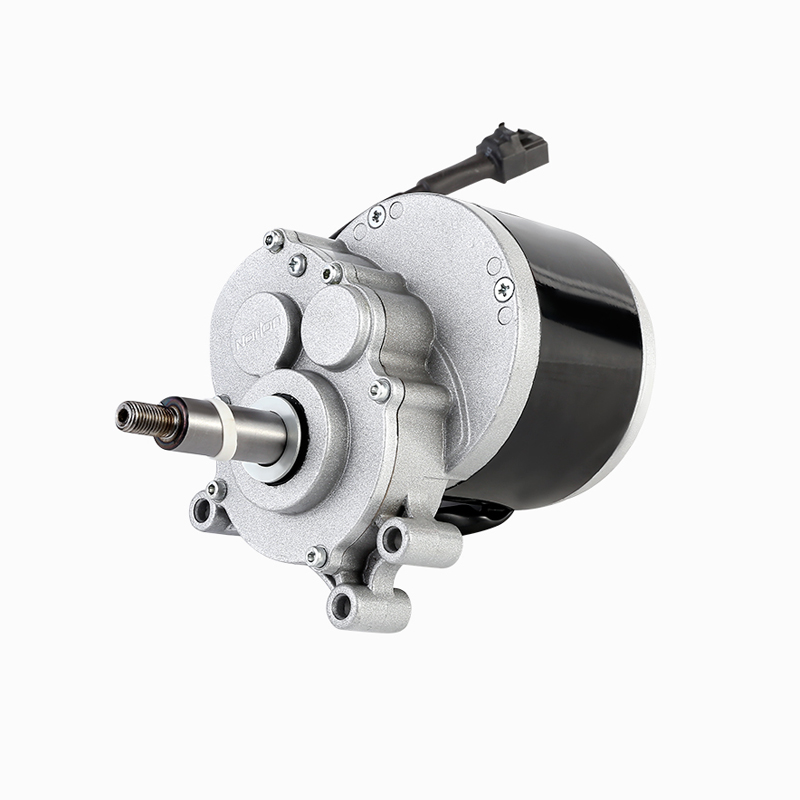
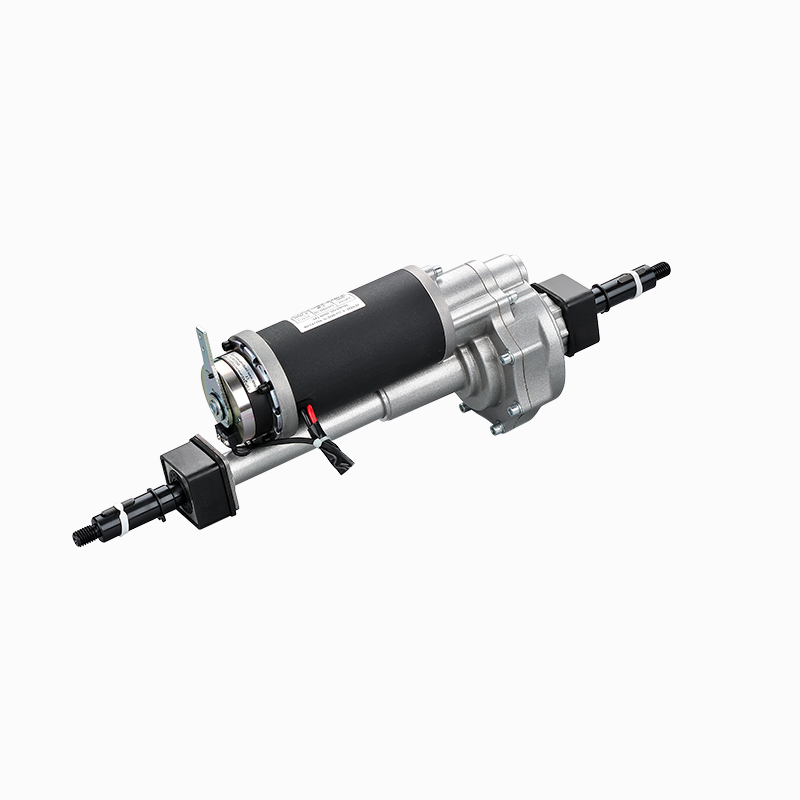
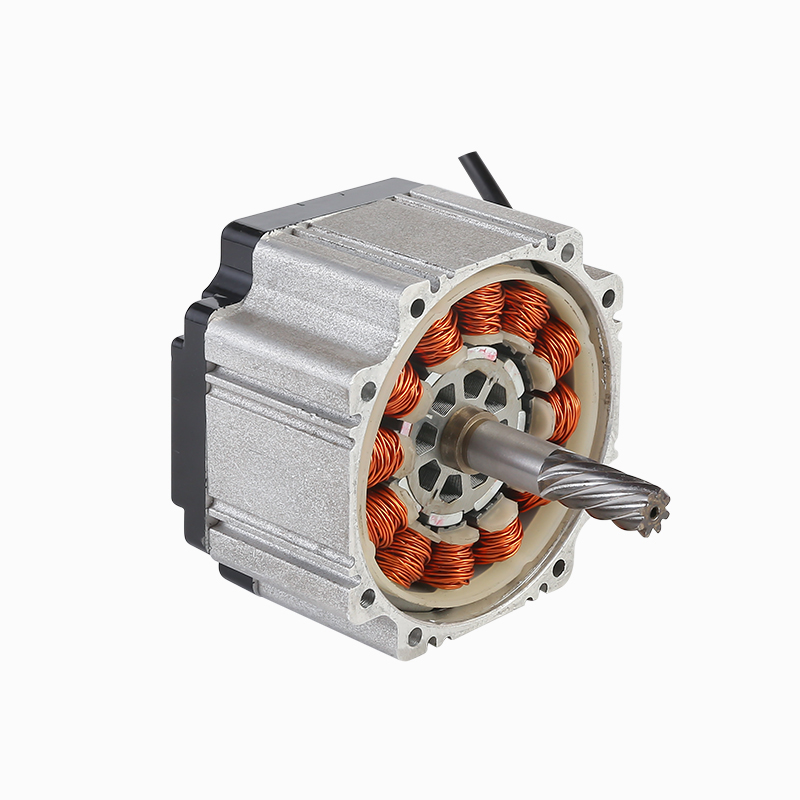
Read MoreWhen engineers evaluate how a Permanent Magnet DC Motor behaves under heavy mechanical loads, the one aspect they examine is its structural and electromagnetic design. A motor confronting high torque resistance must maintain consistent magnetic flux, avoid sudden current surges, and operate with minimal vibration. Proper rotor balancing, optimized stator geometry, and high-strength magnet materials all contribute to stable torque output when the motor is driven to its upper performance limits. In applications such as automated machinery, industrial actuators, medical devices, or mobility equipment, the ability to maintain smooth motion under load directly determines the reliability and lifespan of the system. By beginning with a robust electromagnetic structure, designers set the foundation for load stability before additional external measures are introduced.
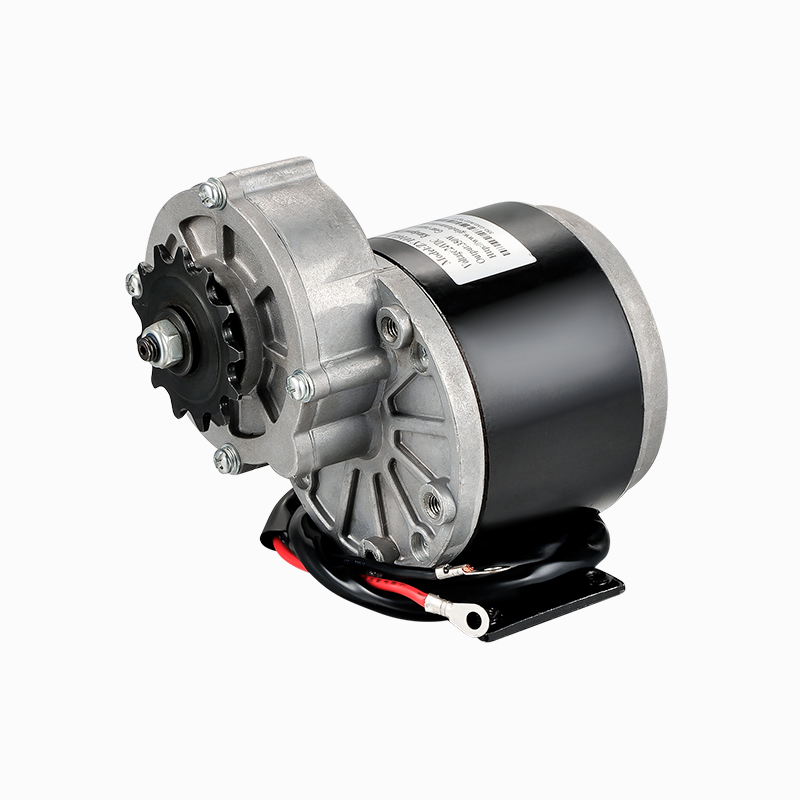
Heat buildup is one of the common causes of instability during high-load operation. As current increases to meet rising torque demand, electrical and mechanical losses produce heat that can degrade coil insulation, weaken magnets, or cause bearing expansion. To counter this, several thermal strategies are applied. Increasing copper fill factor improves conduction efficiency, while higher-grade insulation materials withstand greater thermal stress. Exterior cooling methods such as heat sinks, airflow channels, and ventilated housings disperse heat more effectively. Some heavy-duty systems integrate temperature sensors and automatic shutdown features to prevent overheating. Maintaining a well-managed thermal environment ensures that torque delivery remains consistent even when the motor is pushed toward load capacity.
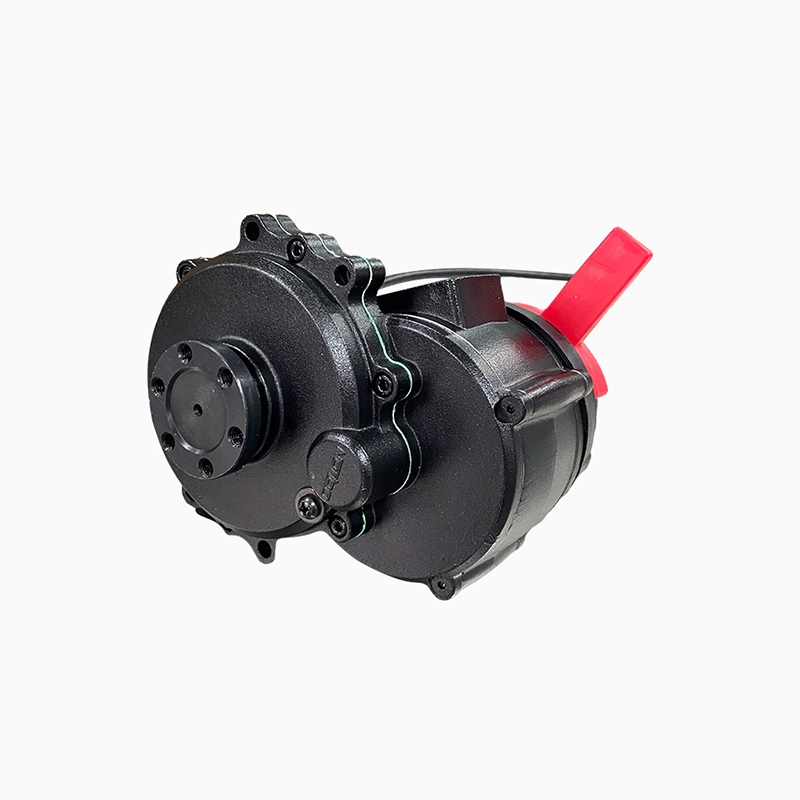
When a motor must support significant load torque, the gearbox, coupling, and shaft system become equally important in preserving stability. Reinforced gear materials, precision machining, and tight tolerance control help reduce backlash that would otherwise produce jerky motion. Lubrication quality is critical for reducing friction spikes during heavy loading. High-load motors often employ hardened steel or alloy gears to withstand repeated torque shocks. Shaft diameter and bearing selection play essential roles as well, preventing deflection or axial movement that can disturb alignment. A mechanically optimized transmission path allows the motor’s torque to transfer smoothly to the driven mechanism without generating excessive vibration or structural stress.
A stable electrical power input is another vital factor in maintaining load performance. Voltage drops or inconsistent current delivery can cause torque fluctuations that destabilize motor output. Using a power supply with oversized capacity, low internal resistance, and proper filtering helps the system respond faster during sudden load changes. Advanced control strategies further improve stability. PWM speed control allows smoother response curves, while closed-loop feedback systems using encoders or current sensors adjust power delivery in real time. These electronic compensations enable the motor to maintain rotational consistency even when the load varies unpredictably.
Mechanical mounting determines how effectively a motor resists vibration during high-load operation. Secure brackets, rigid frames, and shock-absorbing materials can significantly reduce unwanted movement. Environmental protections also preserve stability. Dust, moisture, and chemical exposure can degrade bearings or interfere with commutation. Sealed housings, corrosion-resistant materials, and protective coatings maintain system integrity in demanding industrial settings. By preventing external factors from influencing motor behavior, engineers ensure that performance remains steady even under stress.
Improving the stability of a Permanent Magnet DC Motor under high load requires a combination of internal design optimization, effective thermal control, strong mechanical transmission, reliable power delivery, and proper environmental protection. When these elements work together, the motor can deliver consistent torque, reduced vibration, and long-term operational reliability. This holistic approach ensures that systems relying on heavy-load performance achieve both durability and precision across a wide range of demanding applications.

+86-18023576732
+86-0579-89008006
Fax: +86-0579-82206899


Bailongqiao Dongxi Industrial Zone, Wucheng District, Jinhua, Zhejiang, China.
On weekdays, we will reply to you or call us within 12 hours after receiving the inquiry.
Understanding Temperature Effects on Brushless Motor Barrier...
Understanding Torque and Load in Electric Wheelchair Gear Mo...
Copyright © Zhejiang Norton Motor Co., Ltd. All Rights Reserved.

Custom DC Reduction Motor Factory

Contact Us