

 Deutsch
 Español
 Français
Call us
+86-18023576732
+86-0579-89008006
Fax: +86-0579-82206899

Our team is proud to offer on time guarantee and product guarantee to customer satisfaction.
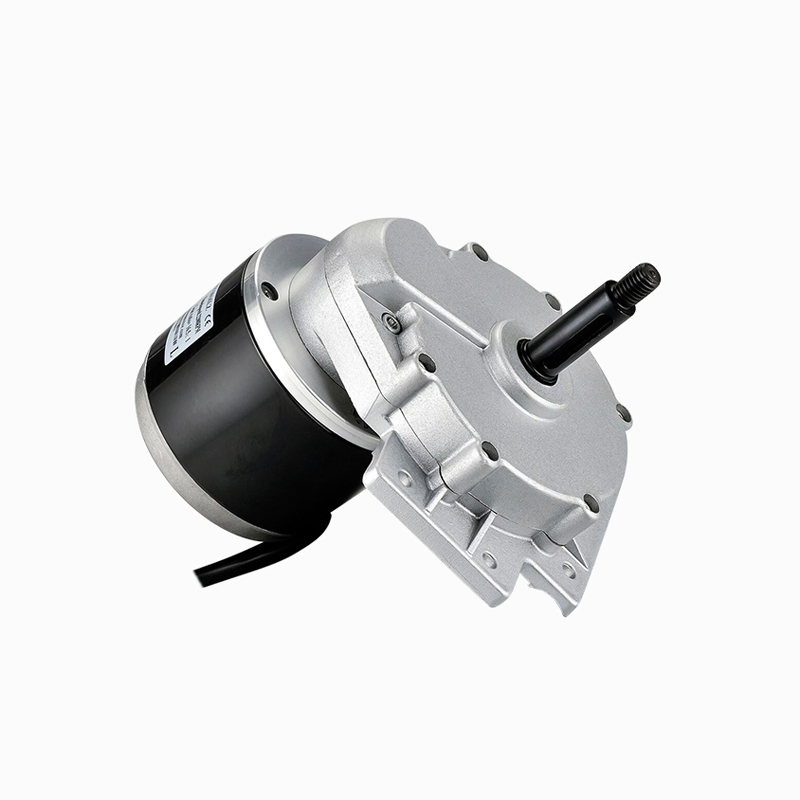
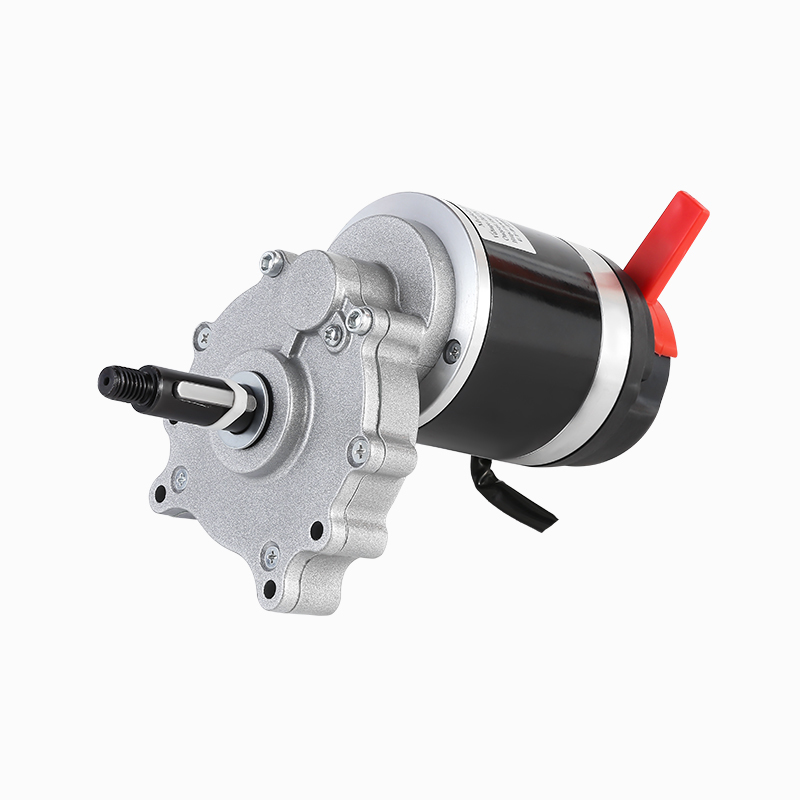
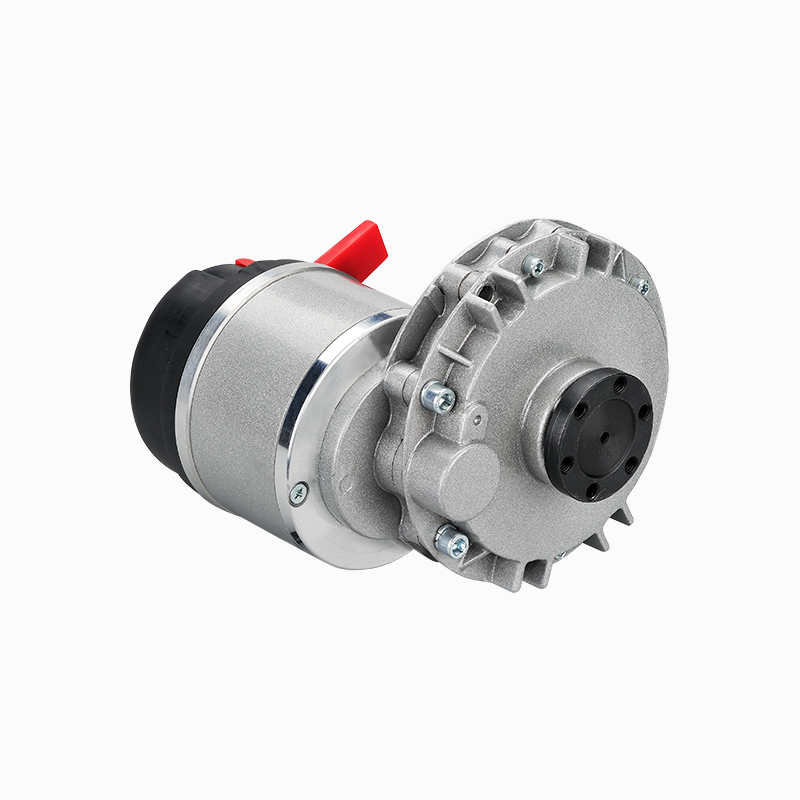
Read MoreBrushless Motor Barrier Gates are widely used in parking management, access control, and security systems due to their reliability and long lifespan. However, environmental temperature plays a critical role in their performance. Extreme heat or cold can impact motor efficiency, electronic components, lubrication, and structural materials. Understanding how temperature affects a Brushless Motor Barrier Gate is essential for ensuring consistent operation, reducing maintenance, and extending service life. Manufacturers often provide operational temperature ranges, but evaluating real-world conditions helps optimize installation and maintenance strategies.
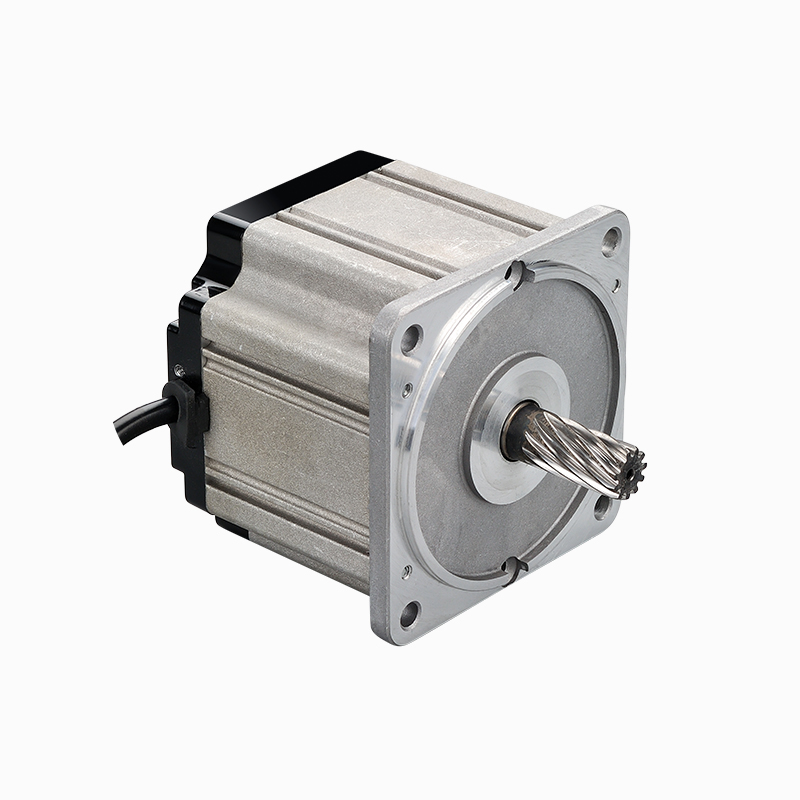
High temperatures can affect both the motor and electronic components of a Brushless Motor Barrier Gate. Excessive heat may cause insulation breakdown, reduce motor efficiency, and degrade lubricants used in gear assemblies. Electronic boards and sensors can also become less reliable, potentially causing control errors. To mitigate these risks, high-temperature environments require components rated for heat resistance and proper ventilation or heat dissipation methods. Installing the Brushless Motor Barrier Gate
In shaded areas, using heat-resistant grease and ensuring sufficient airflow around the motor housing can maintain performance even during prolonged exposure to heat.
Low temperatures present different challenges for a Brushless Motor Barrier Gate. Cold weather can increase the viscosity of lubricants, causing higher friction and slower motor response. Plastic or rubber components may become brittle, increasing the risk of mechanical failure. Additionally, condensation and ice formation can interfere with sensors and electrical connections. Using low-temperature-resistant lubricants, insulated housing, and anti-condensation coatings can help maintain smooth operation. Brushless Motor Barrier Gate designed for bad climates often undergo testing to ensure the motor and electronic components function reliably under sub-zero conditions.
Modern Brushless Motor Barrier Gates often include temperature compensation features to maintain consistent performance across varying environments. Sensors can monitor motor temperature and adjust operation speed or torque accordingly, preventing overheating or excessive strain. Control systems may also include alerts for temperature extremes, allowing operators to take preventive measures. These adaptive systems enhance reliability and ensure the barrier gate operates efficiently, whether in hot summers or freezing winters. Proper calibration and maintenance of these systems are crucial to their effectiveness.
The materials used in a Brushless Motor Barrier Gate significantly influence temperature adaptability. High-grade metals, heat-resistant plastics, and corrosion-resistant coatings can withstand environmental stress. Rubber seals and gaskets help protect internal components from temperature fluctuations and moisture. Selecting barrier gates with robust materials and appropriate environmental ratings ensures longevity and reduces the frequency of repairs caused by temperature-induced wear.
The adaptability of a Brushless Motor Barrier Gate in different temperature environments depends on careful consideration of motor design, electronic components, lubrication, and materials. By addressing high- and low-temperature challenges through heat-resistant components, low-temperature lubricants, temperature sensors, and durable materials, operators can ensure consistent and reliable performance. Proper installation, maintenance, and monitoring allow Brushless Motor Barrier Gates to function efficiently across a wide range of environmental conditions, extending their lifespan and maintaining security system reliability.

+86-18023576732
+86-0579-89008006
Fax: +86-0579-82206899


Bailongqiao Dongxi Industrial Zone, Wucheng District, Jinhua, Zhejiang, China.
On weekdays, we will reply to you or call us within 12 hours after receiving the inquiry.
Understanding Temperature Effects on Brushless Motor Barrier...
Understanding Torque and Load in Electric Wheelchair Gear Mo...
Copyright © Zhejiang Norton Motor Co., Ltd. All Rights Reserved.

Custom DC Reduction Motor Factory

Contact Us