

 Deutsch
 Español
 Français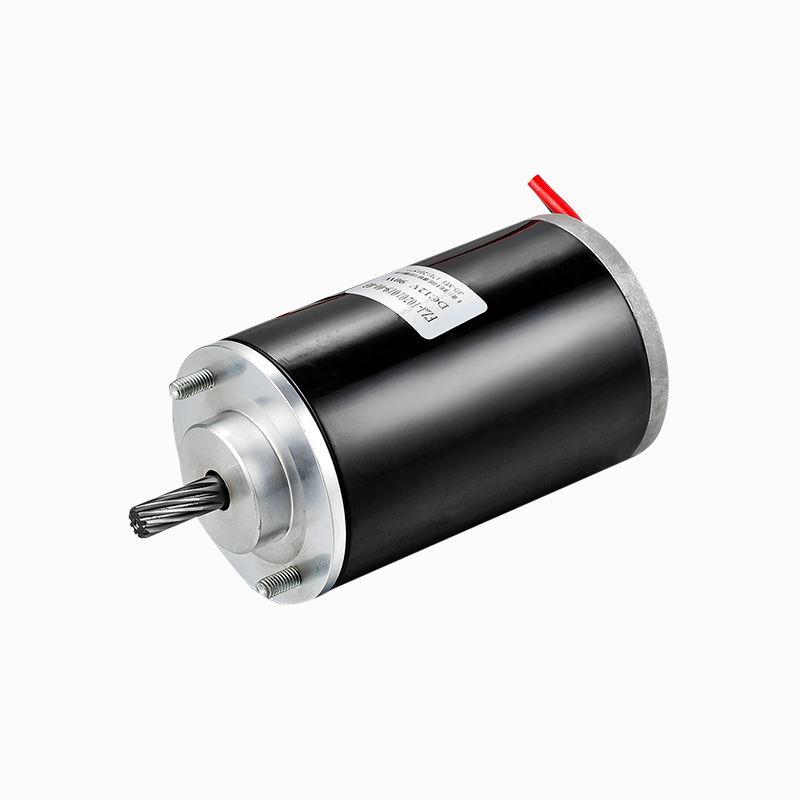
Call us
+86-18023576732
+86-0579-89008006
Fax: +86-0579-82206899

Our team is proud to offer on time guarantee and product guarantee to customer satisfaction.
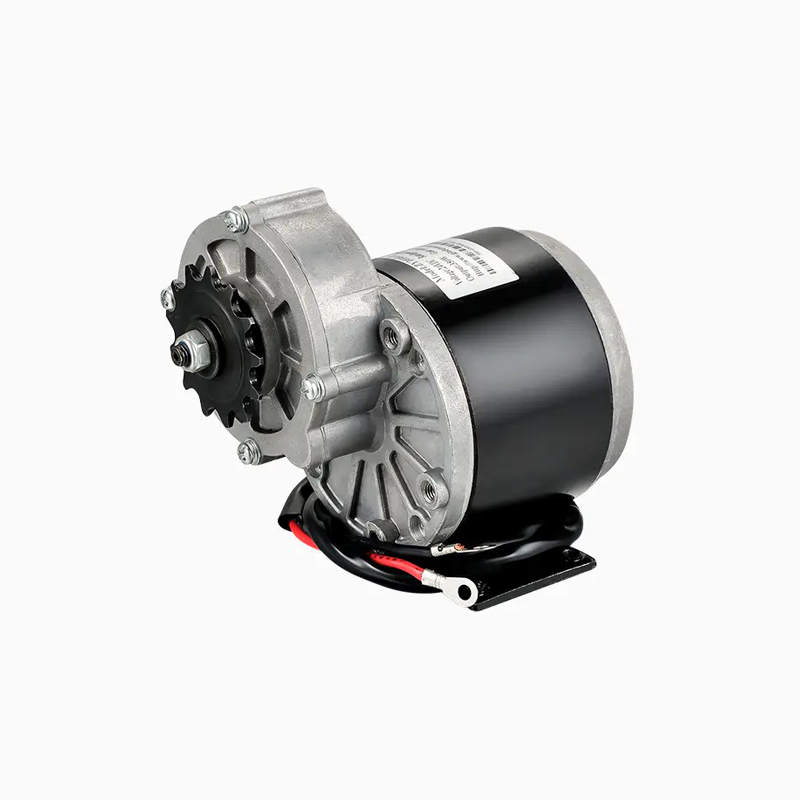
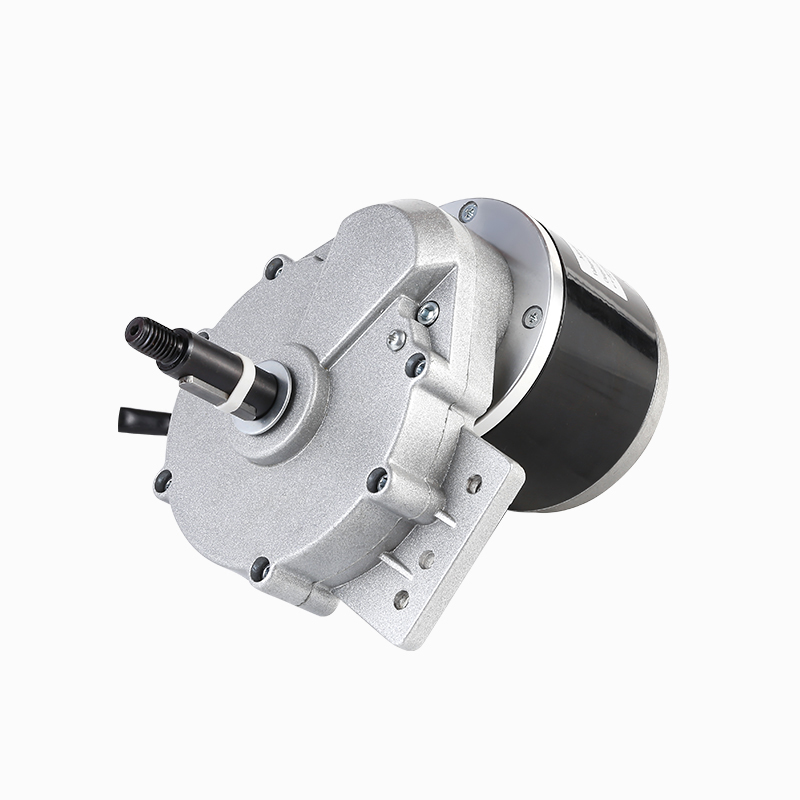
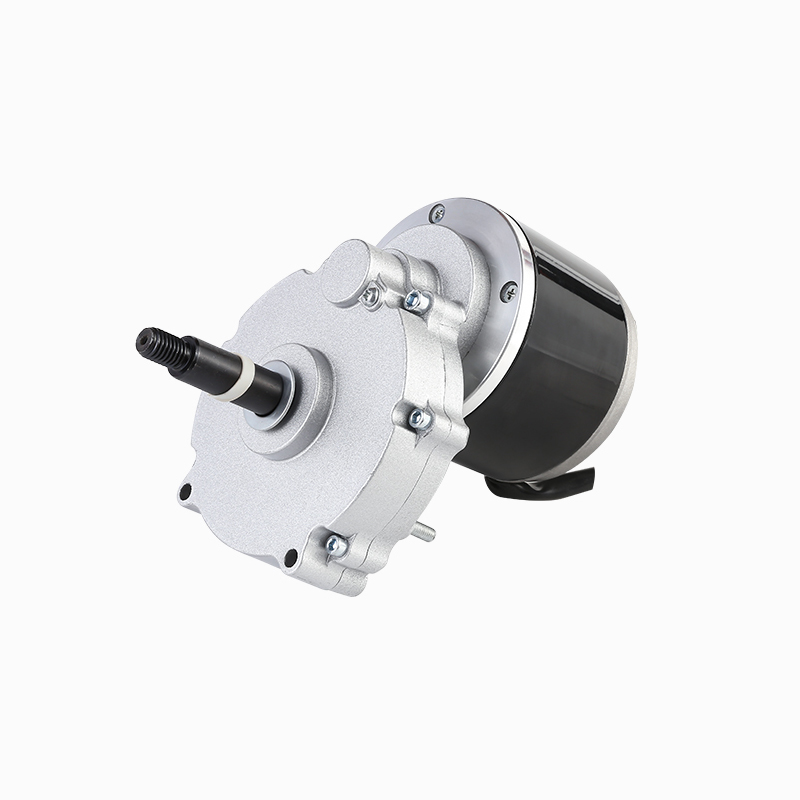
Read MoreManufacturers such as a DC Brushed Motor Factory often highlight gear ratio as one of the critical performance parameters when selecting or customizing a brushed gear motor. The gear ratio defines the relationship between the speed of the motor’s input shaft and the rotational speed of the output shaft after gear reduction. Because torque and speed in mechanical transmission form a trade-off relationship, understanding how gear ratio affects torque is essential for engineers working on automation equipment, robotics, home appliances, and precision motion systems. When the gear ratio is properly matched to the application, the brushed motor can deliver smoother motion, higher load capacity, and greatly improved efficiency during low-speed operations.
The fundamental concept behind torque amplification lies in the conversion of motor speed into mechanical leverage. When a small pinion gear on the motor shaft engages with a larger gear in the gearbox, rotational speed decreases proportionally to the gear ratio. For example, in a 20:1 reduction, the output shaft rotates twenty times slower than the motor shaft. This reduction, however, allows the motor to transmit far more torque to the output shaft because energy is conserved and redistributed. As a result, even compact brushed gear motors can produce surprisingly high torque values despite their small physical size. This characteristic makes brushed motors suitable for applications such as automated locks, conveyor drives, medical devices, and assistive robotics.
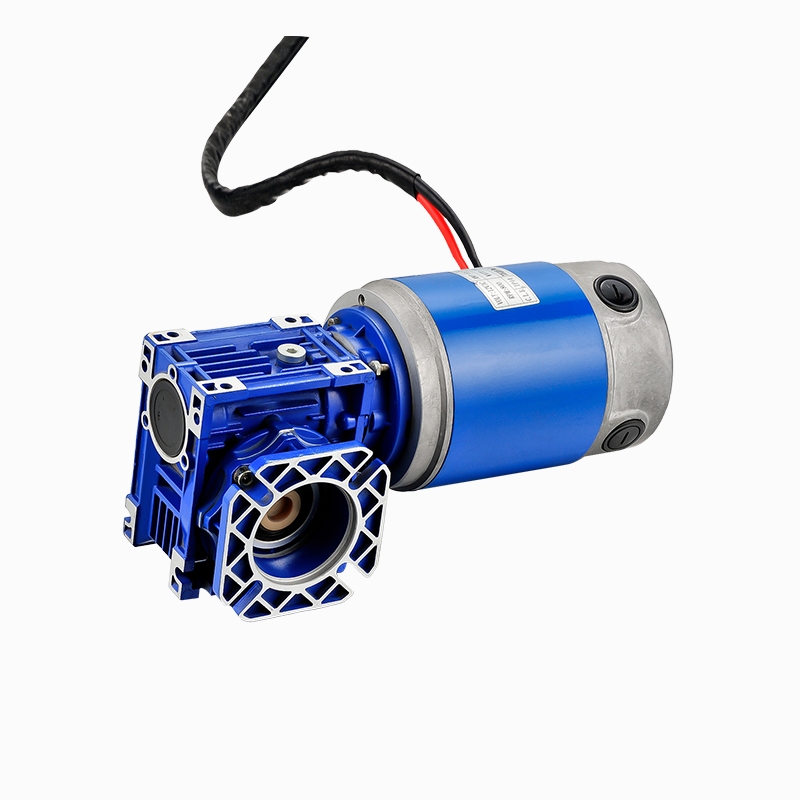
When the gear ratio increases, the torque multiplication effect becomes more pronounced. A motor with a 50:1 reduction ratio will output significantly more torque than a 10:1 configuration, assuming the motor’s internal components and power input remain unchanged. Higher gear ratios also improve the ability of the output shaft to hold static and dynamic loads, enabling the motor to overcome inertia during startup. Engineers often select high-ratio configurations for lifting mechanisms, articulating joints, and heavy-load mobility systems where low speed and torque are required. However, the trade-off is a substantial drop in rotational speed, which may not be acceptable in applications requiring fast motion cycles.
Although increasing the ratio yields more torque, mechanical constraints must be considered. Gearboxes experience higher internal stress, increased friction, and greater heat generation when ratios rise too high. This can shorten gearbox life or cause premature wear if the materials or lubrication are insufficient. Excessively high gear ratios may also reduce efficiency due to additional energy losses across multiple gear stages. Designers must therefore balance torque requirements with durability, selecting gear materials such as steel, brass, or engineered plastics based on load conditions. In precision environments, the gear structure must also reduce backlash to prevent output errors or jerky movement.
Selecting the right gear ratio involves evaluating the application's load profile, duty cycle, startup torque, operating speed, and expected environmental conditions. For example, robotic wheel drives often require moderate ratios to maintain mobility, while industrial actuators benefit from higher ratios for load support. Engineers should also calculate the stall torque at the output to prevent overloading the motor. The effective systems integrate thermal protection, current limiting, and stable mounting to ensure the torque generated by the gear reduction is used efficiently without damaging internal components.
Gear ratio plays a decisive role in shaping the operational behavior of brushed gear motors. By converting high-speed, low-torque motor output into controlled rotational force, the gear system allows brushed motors to support a vast range of mechanical applications. A properly selected gear ratio enhances load capacity, improves low-speed stability, and boosts overall system reliability. Conversely, a poorly chosen ratio can cause inefficiency, overheating, or mechanical stress. Understanding these relationships enables engineers to optimize performance and extend motor lifespan in any torque-dependent application.

+86-18023576732
+86-0579-89008006
Fax: +86-0579-82206899


Bailongqiao Dongxi Industrial Zone, Wucheng District, Jinhua, Zhejiang, China.
On weekdays, we will reply to you or call us within 12 hours after receiving the inquiry.
Understanding Temperature Effects on Brushless Motor Barrier...
Understanding Torque and Load in Electric Wheelchair Gear Mo...
Copyright © Zhejiang Norton Motor Co., Ltd. All Rights Reserved.

Custom DC Reduction Motor Factory

Contact Us