

 Deutsch
 Español
 Français
Call us
+86-18023576732
+86-0579-89008006
Fax: +86-0579-82206899

Our team is proud to offer on time guarantee and product guarantee to customer satisfaction.
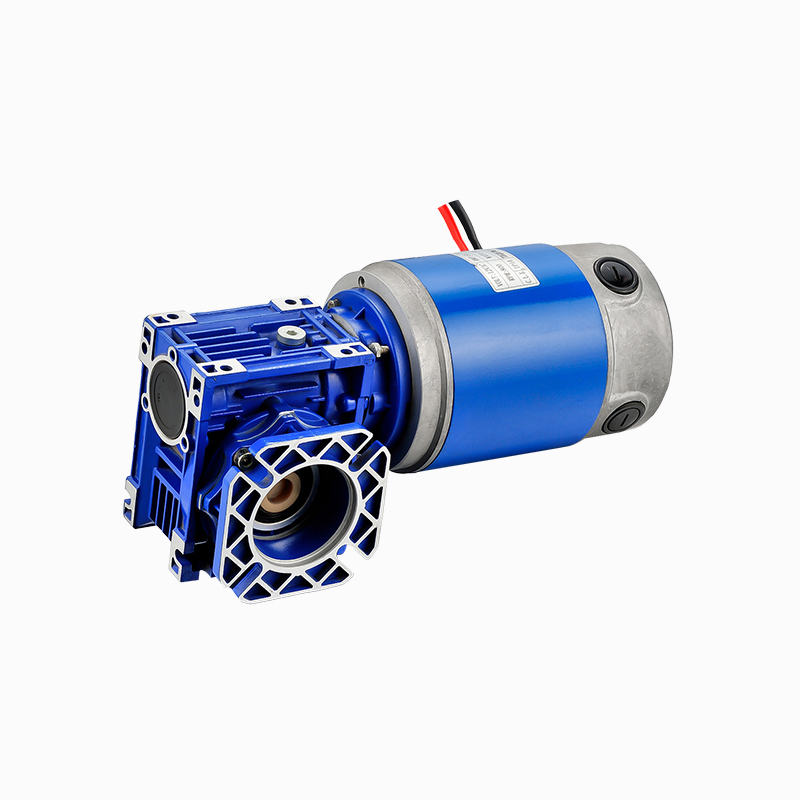
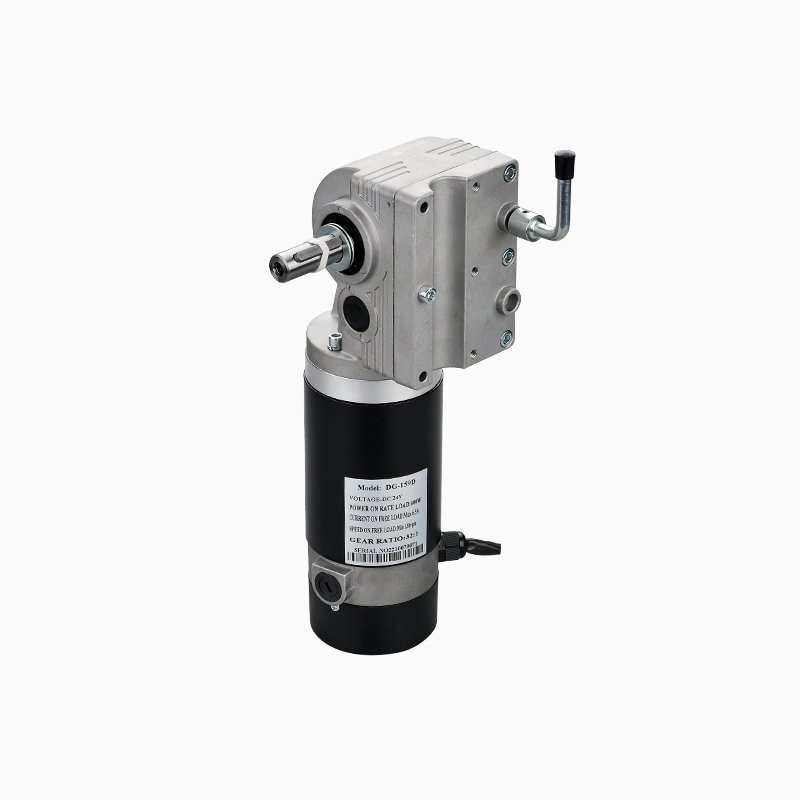
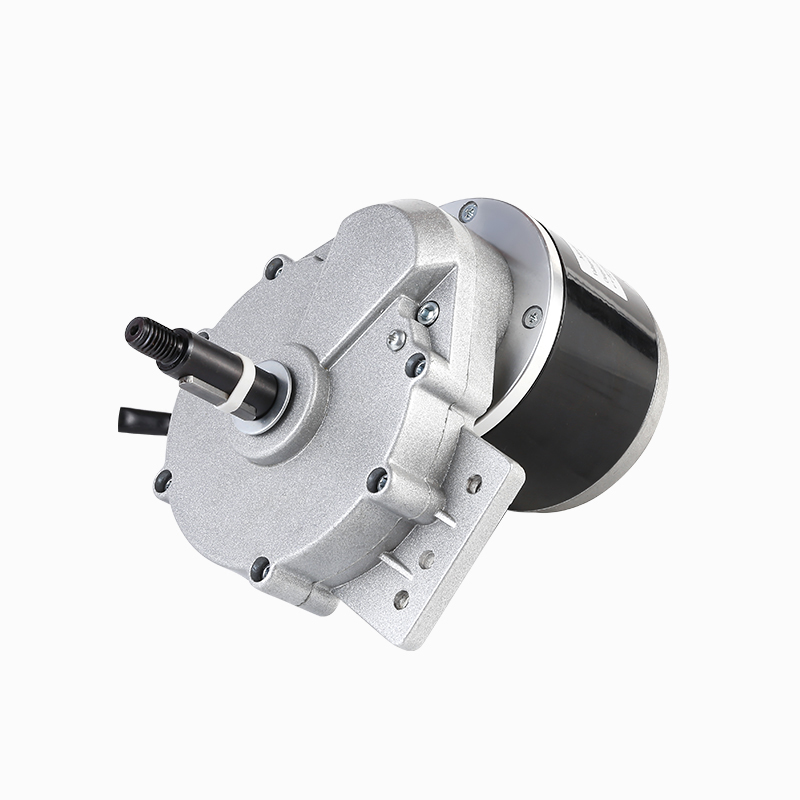
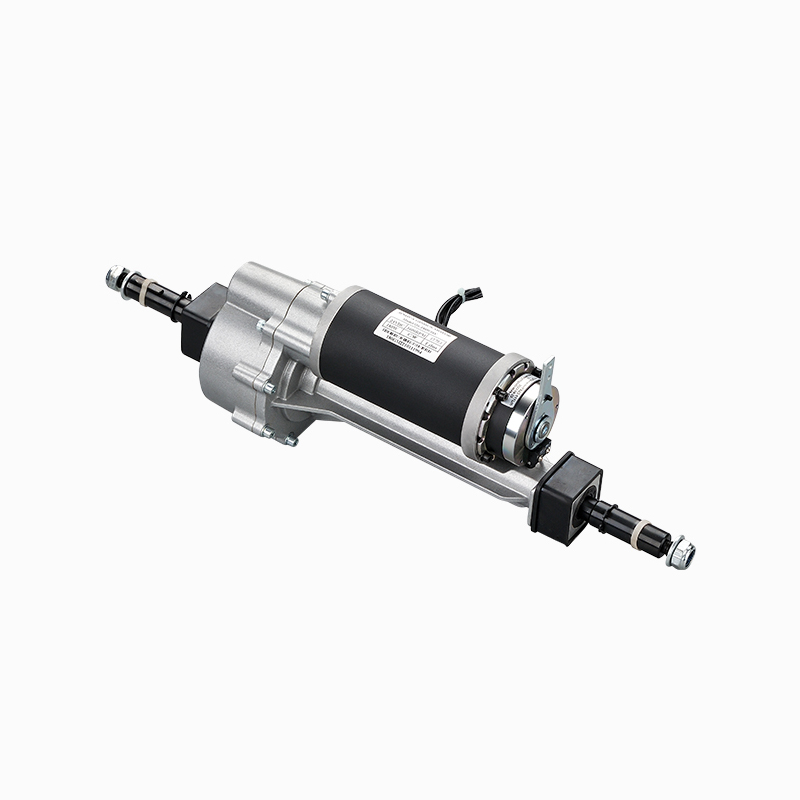
Read MoreThe torque and load capacity of an Electric Wheelchair Gear Motor are critical factors that determine the wheelchair’s performance, maneuverability, and safety. Torque refers to the rotational force the motor can generate, while load capacity represents the weight or resistance the motor can handle without compromising efficiency or lifespan. Properly calculating these parameters ensures smooth operation, prevents motor overload, and extends the service life of both the motor and the wheelchair drivetrain. Users and engineers must consider both the wheelchair’s total weight and environmental factors, such as inclines or rough terrain, when evaluating motor requirements.
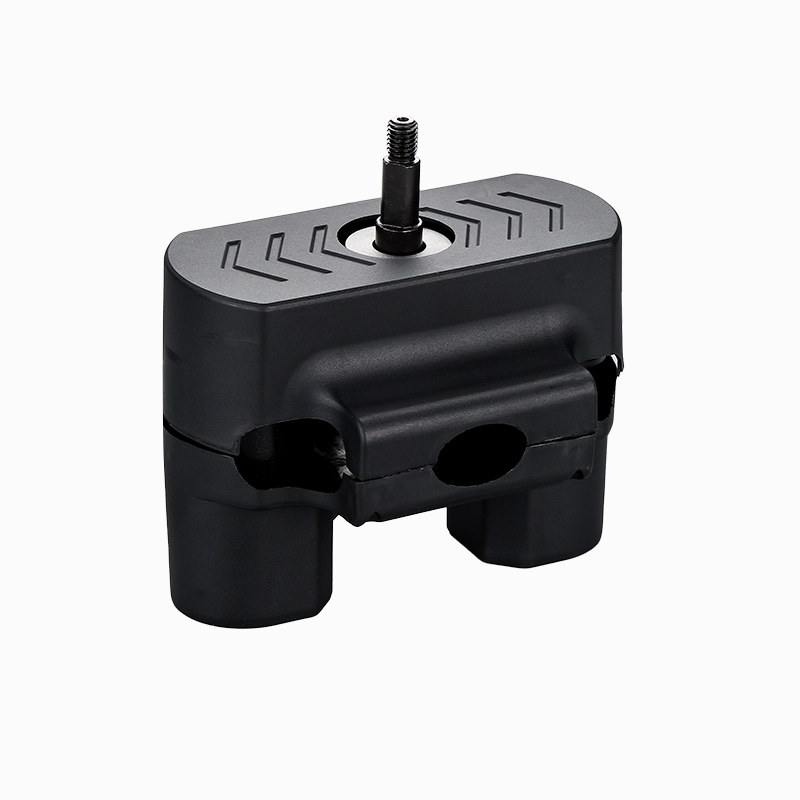
Torque calculation begins by determining the forces acting on the wheelchair wheels. The basic formula involves multiplying the total load on the wheel by the wheel radius to obtain the torque needed to overcome inertia and resistance. Additional torque may be required to overcome rolling resistance, friction, and slopes. For example, when a wheelchair climbs an incline, the gravitational force component along the slope must be included in the torque calculation. Torque (T) can be expressed as T = F × r, where F is the force applied at the wheel, and r is the radius of the wheel. Using this formula helps determine the torque the Electric Wheelchair Gear Motor must generate for effective operation.
Load capacity involves understanding the weight the motor can safely handle while maintaining performance. It is influenced by the motor’s rated torque, gearbox ratio, and efficiency. To calculate load capacity, the combined weight of the user, wheelchair frame, battery, and additional attachments must be considered. The motor should be capable of handling this load under normal operating conditions without overheating or drawing excessive current. Manufacturers often provide specifications for rated load and torque, which serve as a reference when selecting a motor for a specific wheelchair model.
Gear ratios play a crucial role in torque multiplication and load management. A higher gear reduction increases torque at the wheels while reducing rotational speed, allowing the motor to handle heavier loads without strain. However, efficiency losses within the gearbox must be factored into calculations, as friction reduces the effective torque delivered to the wheels. Accurate calculations require considering both the mechanical advantage provided by the gearbox and any efficiency losses, ensuring the selected Electric Wheelchair Gear Motor can handle expected loads safely and reliably.
While theoretical calculations provide a baseline, practical testing is essential to verify performance under real-world conditions. Testing includes measuring acceleration, hill-climbing ability, and sustained operation under load. Engineers also incorporate safety margins, selecting motors capable of providing 20–30% more torque than calculated to account for unexpected resistance or wear over time. This ensures the motor operates within safe limits, maintaining reliability and protecting components from premature failure.
Calculating torque and load for an Electric Wheelchair Gear Motor involves understanding wheel forces, total weight, gear ratios, and efficiency. Accurate calculations combined with practical testing and appropriate safety margins ensure the motor delivers reliable performance, maintains user safety, and extends operational lifespan. By carefully evaluating these factors, wheelchair designers and users can select motors that meet both performance and durability requirements for everyday use.

+86-18023576732
+86-0579-89008006
Fax: +86-0579-82206899


Bailongqiao Dongxi Industrial Zone, Wucheng District, Jinhua, Zhejiang, China.
On weekdays, we will reply to you or call us within 12 hours after receiving the inquiry.
Understanding Temperature Effects on Brushless Motor Barrier...
Understanding Torque and Load in Electric Wheelchair Gear Mo...
Copyright © Zhejiang Norton Motor Co., Ltd. All Rights Reserved.

Custom DC Reduction Motor Factory

Contact Us