

 Deutsch
 Español
 Français
Call us
+86-18023576732
+86-0579-89008006
Fax: +86-0579-82206899

Our team is proud to offer on time guarantee and product guarantee to customer satisfaction.
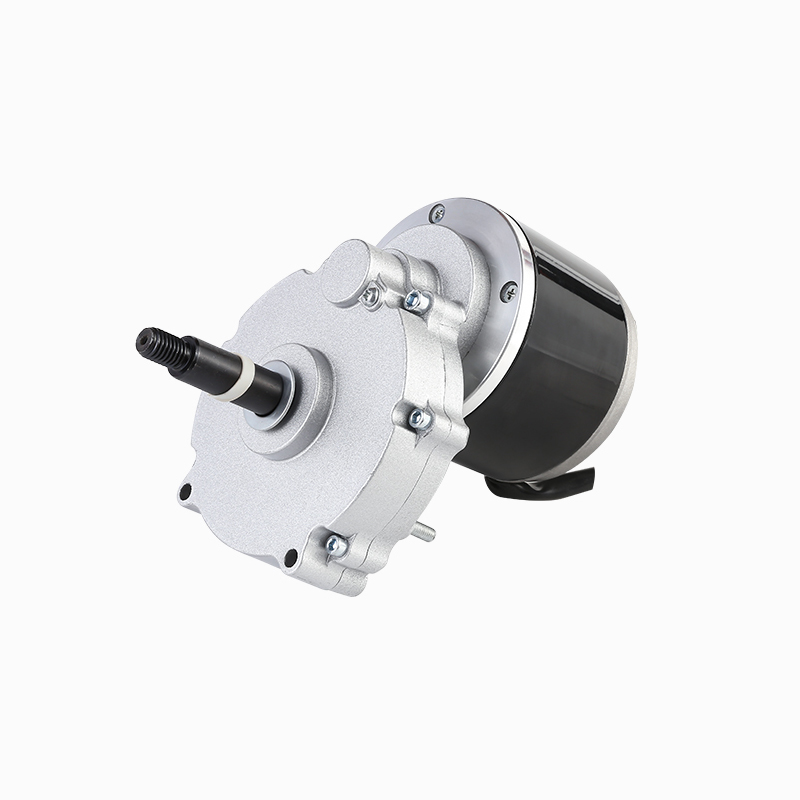
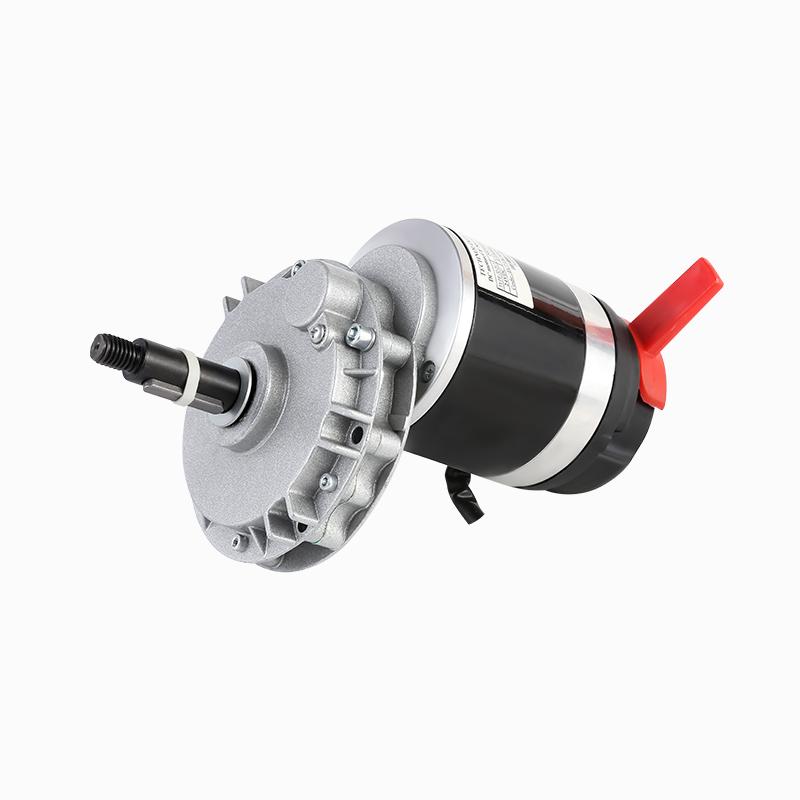
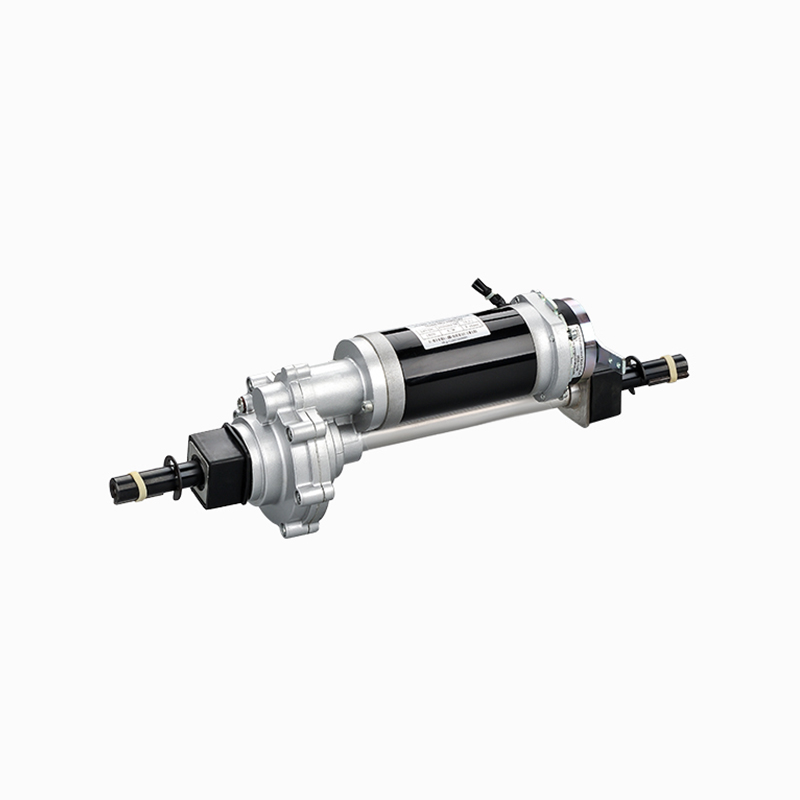
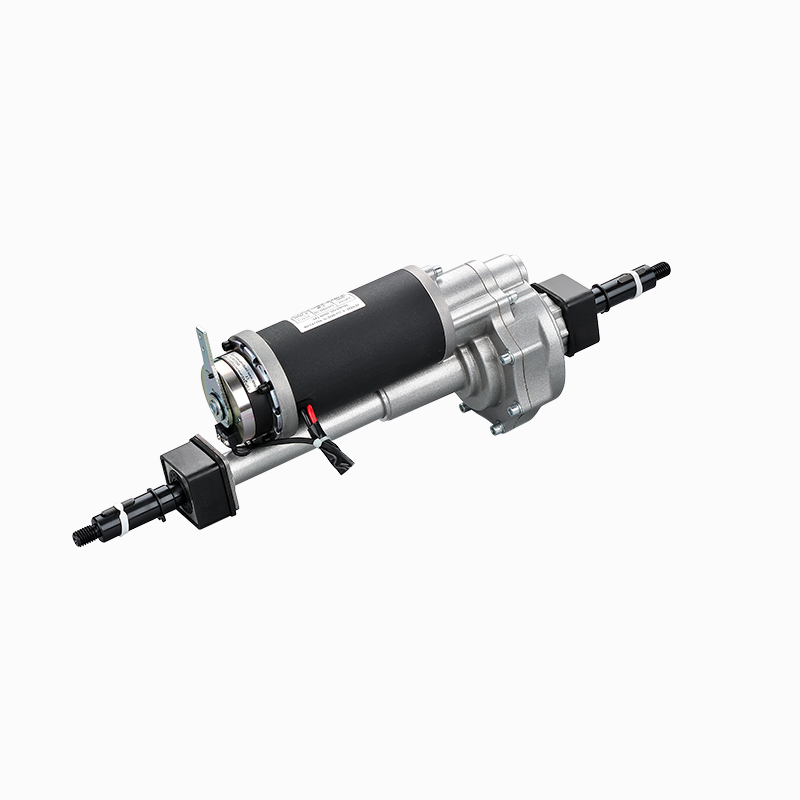
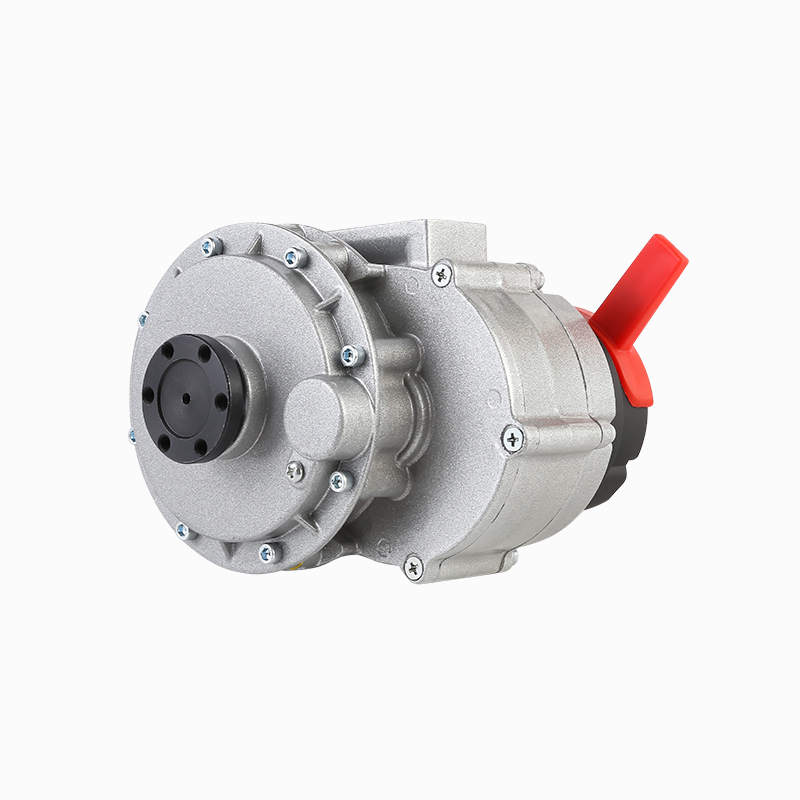
Read MoreThe Electric Wheelchair Motor plays a central role in determining the mobility, efficiency, and overall performance of an electric wheelchair. Among its many characteristics, motor power is a critical factor that directly affects two important aspects: climbing ability and battery range. Understanding how motor power interacts with these performance indicators can help users make informed choices when selecting or upgrading their wheelchairs.
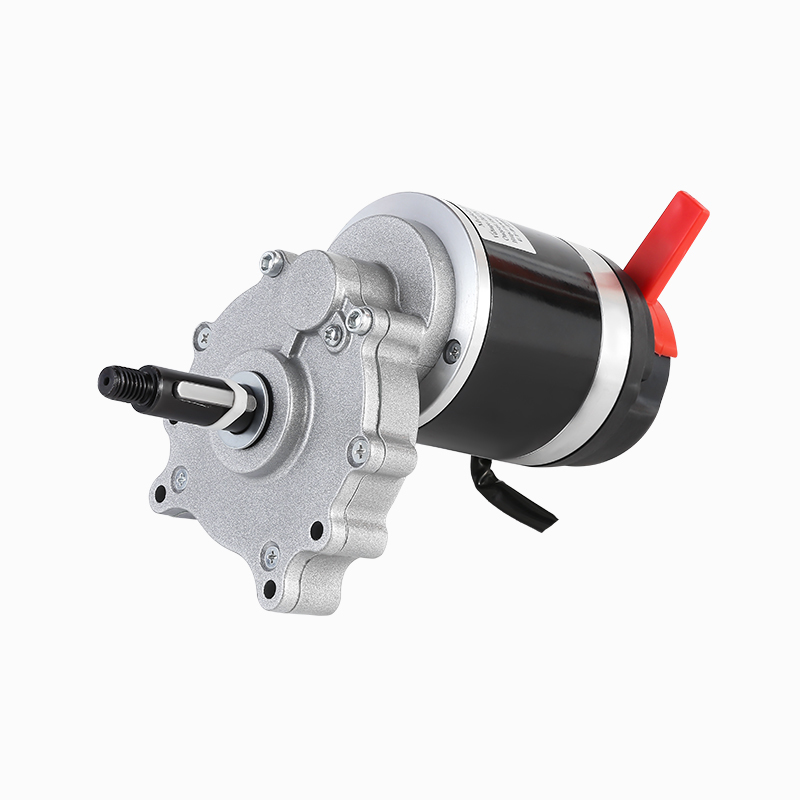
Climbing ability, or the capacity to ascend slopes, is largely dependent on the torque and output power of the motor. Higher-powered motors generate greater torque, which allows the wheelchair to overcome gravitational resistance more effectively. Users navigating hilly or uneven terrain benefit significantly from stronger motors, as these provide smoother and more stable ascents without putting excessive strain on the motor or battery. Conversely, a low-powered motor may struggle on inclines, resulting in slower movement, motor overheating, or even stalling, particularly when carrying heavier loads.
While higher power improves climbing performance, it also affects battery consumption. Motors with greater power typically draw more current when operating at a load, which can reduce the overall battery life between charges. Users may notice shorter distances covered on a single charge if the wheelchair is frequently used on slopes or at higher speeds. Balancing motor power with energy efficiency is crucial; selecting a motor that is slightly overpowered for typical flat terrain may be unnecessary and may compromise battery longevity. On the other hand, undersized motors may force the wheelchair to operate at full capacity more often, which can also drain the battery quickly and reduce efficiency.
Selecting the appropriate motor power involves assessing typical usage conditions. Users who primarily travel on flat surfaces with occasional mild inclines may not require the high-power motor available. In such cases, a moderate-power Electric Wheelchair Motor provides sufficient torque while maintaining a longer battery range. For those who regularly encounter steep slopes or rough outdoor terrain, prioritizing motor power ensures safety, stability, and consistent performance, even if it slightly reduces battery endurance.
Other factors also influence climbing and range, including wheelchair weight, passenger weight, wheel size, and tire type. These variables interact with motor power to determine real-world performance. Furthermore, advanced motor controllers and regenerative braking technologies can help optimize energy consumption, allowing the wheelchair to maintain climbing capability without drastically reducing range. Regular maintenance, proper tire inflation, and careful operation also contribute to improving both climbing performance and battery longevity.
Motor power is a key determinant of both climbing ability and battery endurance in an electric wheelchair. Stronger motors provide good torque for navigating inclines, while excessive power may increase energy consumption and reduce the distance covered per charge. Achieving the right balance between motor strength and efficiency is essential for suitable performance, depending on the user’s typical terrain and travel needs. Understanding these dynamics ensures that an Electric Wheelchair Motor is well-suited to deliver reliable, safe, and efficient mobility for a variety of users.

+86-18023576732
+86-0579-89008006
Fax: +86-0579-82206899


Bailongqiao Dongxi Industrial Zone, Wucheng District, Jinhua, Zhejiang, China.
On weekdays, we will reply to you or call us within 12 hours after receiving the inquiry.
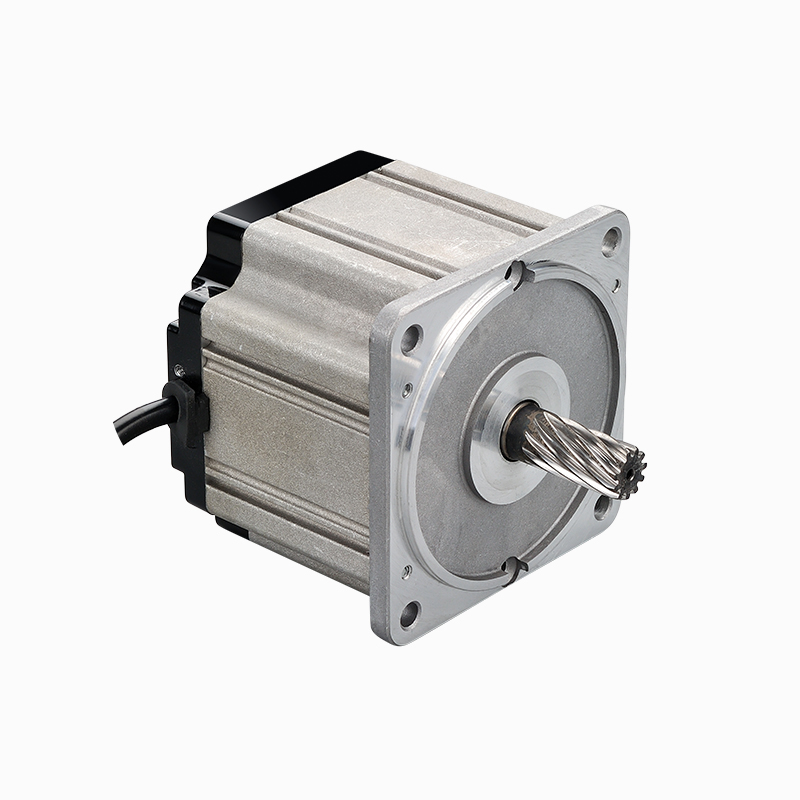
Understanding Temperature Effects on Brushless Motor Barrier...
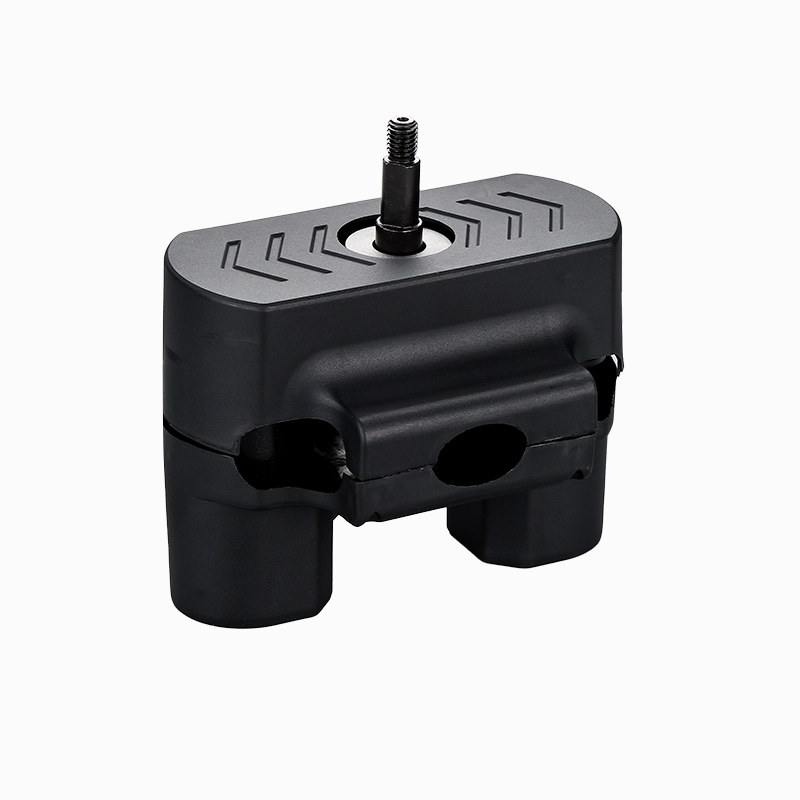
Understanding Torque and Load in Electric Wheelchair Gear Mo...
Copyright © Zhejiang Norton Motor Co., Ltd. All Rights Reserved.

Custom DC Reduction Motor Factory

Contact Us