

 Deutsch
 Español
 Français
Call us
+86-18023576732
+86-0579-89008006
Fax: +86-0579-82206899

Our team is proud to offer on time guarantee and product guarantee to customer satisfaction.
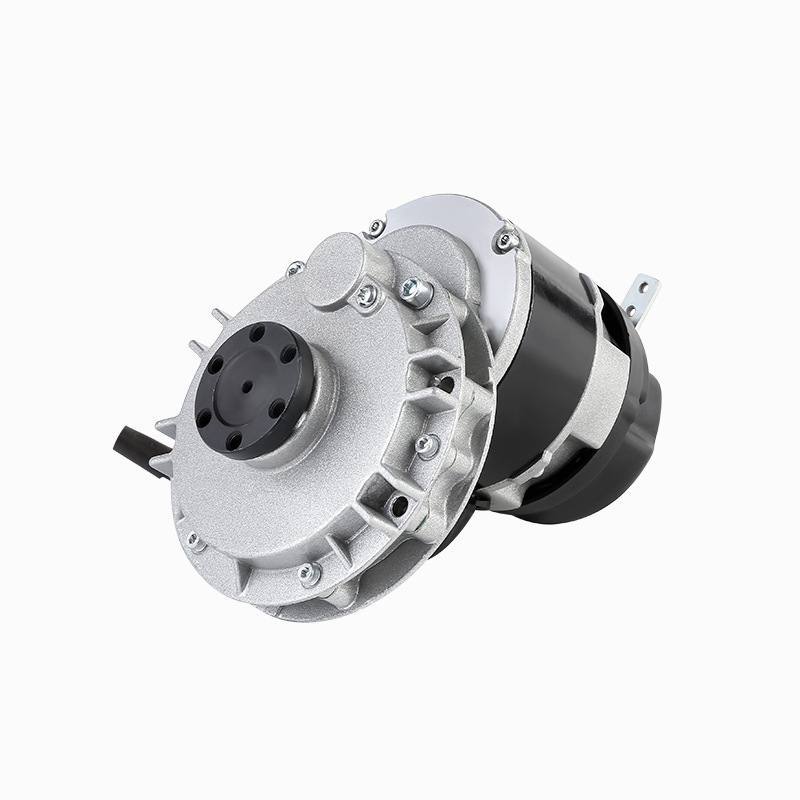
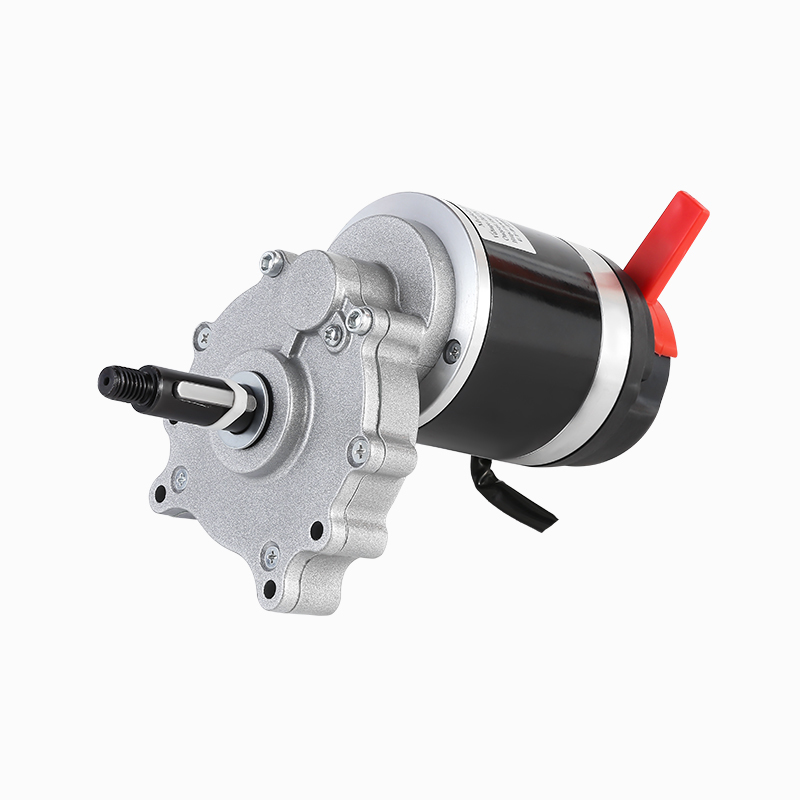
Read MoreThe DC Gear Brushed Motor is widely used in applications where both torque and speed control are important, such as robotics, conveyor systems, and industrial automation. One of the key factors that determines its performance is the gear ratio, which defines the relationship between the motor’s input speed and the output speed of the gearbox. Understanding how gear ratio affects torque, speed, and overall motor efficiency is essential for selecting the right motor for a specific task.
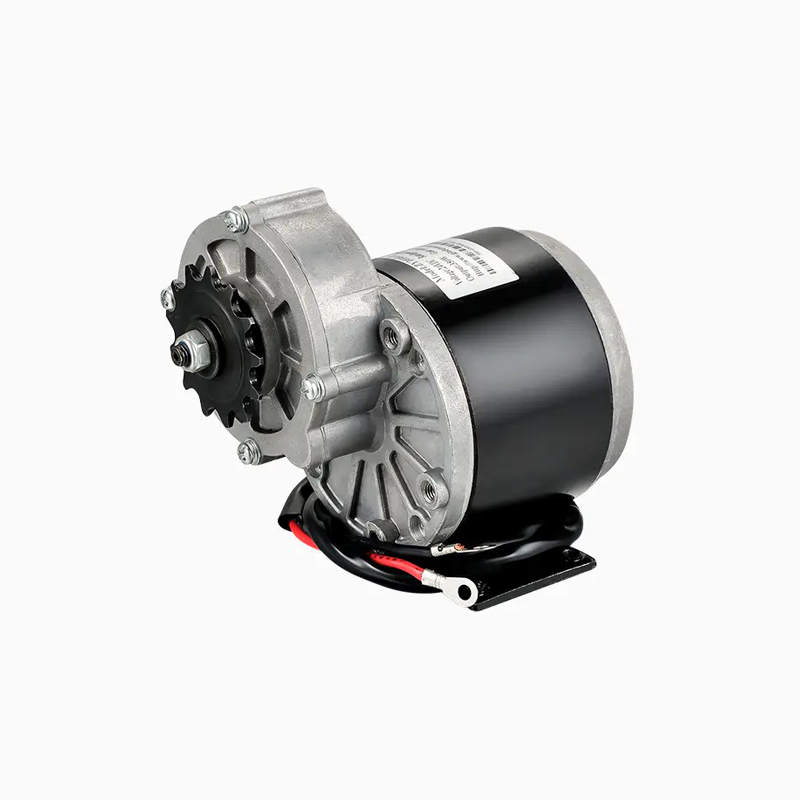
The gear ratio directly influences the speed at which the motor’s output shaft rotates. A higher gear ratio means that the motor turns multiple times to produce one rotation of the output shaft, resulting in a slower output speed. This speed reduction can be advantageous in applications that require precise or controlled motion, such as positioning systems or robotic joints. Conversely, a lower gear ratio allows the output shaft to rotate more quickly, making it suitable for tasks that prioritize speed over force.
While a higher gear ratio reduces output speed, it increases the torque available at the motor’s output. Torque is the rotational force applied to a load, and higher torque is necessary for driving heavy loads or overcoming resistance. A DC Gear Brushed Motor with a high gear ratio can efficiently lift, push, or rotate components that a motor with a lower ratio would struggle to move. In contrast, a low gear ratio provides less torque, which may be insufficient for demanding applications but is adequate for lightweight or low-resistance tasks.
Selecting an appropriate gear ratio requires balancing the need for torque with the desired speed. High-torque, low-speed configurations are ideal for applications such as robotic arms, electric wheelchairs, or mechanical lifts, where precision and force are more important than rapid movement. Low-torque, high-speed setups are better suited for fast-moving devices, fans, or conveyor belts, where speed is critical but the load is minimal. Understanding the trade-off between speed and torque ensures that the motor operates efficiently and meets performance requirements.
Gear ratio also affects the overall efficiency of the motor system. A very high gear ratio may result in energy losses due to friction within the gearbox, while a very low ratio might require the motor to operate at higher speeds, increasing wear and power consumption. Therefore, selecting a gear ratio that matches both the load and operational conditions is crucial for maintaining efficiency and prolonging motor life. Proper matching reduces strain on the motor and ensures consistent performance over time.
In practical terms, the right gear ratio allows a DC Gear Brushed Motor to achieve the desired combination of speed and torque for specific applications. For example, in robotics, precision arm movement requires high torque at low speed, whereas small conveyor systems benefit from moderate torque at higher speed. Manufacturers often provide charts or specifications that relate gear ratio to output torque and speed, allowing engineers to make informed choices based on their requirements.
The gear ratio of a DC Gear Brushed Motor is a fundamental factor that shapes its output performance. Higher gear ratios reduce speed but increase torque, while lower ratios allow faster movement with less force. Choosing the appropriate ratio involves considering the specific application, balancing torque and speed, and ensuring efficient motor operation. By carefully selecting the gear ratio, users can optimize the motor’s performance for both reliability and effectiveness in a wide range of mechanical and electronic systems.

+86-18023576732
+86-0579-89008006
Fax: +86-0579-82206899


Bailongqiao Dongxi Industrial Zone, Wucheng District, Jinhua, Zhejiang, China.
On weekdays, we will reply to you or call us within 12 hours after receiving the inquiry.
Understanding Temperature Effects on Brushless Motor Barrier...
Understanding Torque and Load in Electric Wheelchair Gear Mo...
Copyright © Zhejiang Norton Motor Co., Ltd. All Rights Reserved.

Custom DC Reduction Motor Factory

Contact Us