

 Deutsch
 Español
 Français
Call us
+86-18023576732
+86-0579-89008006
Fax: +86-0579-82206899

Our team is proud to offer on time guarantee and product guarantee to customer satisfaction.
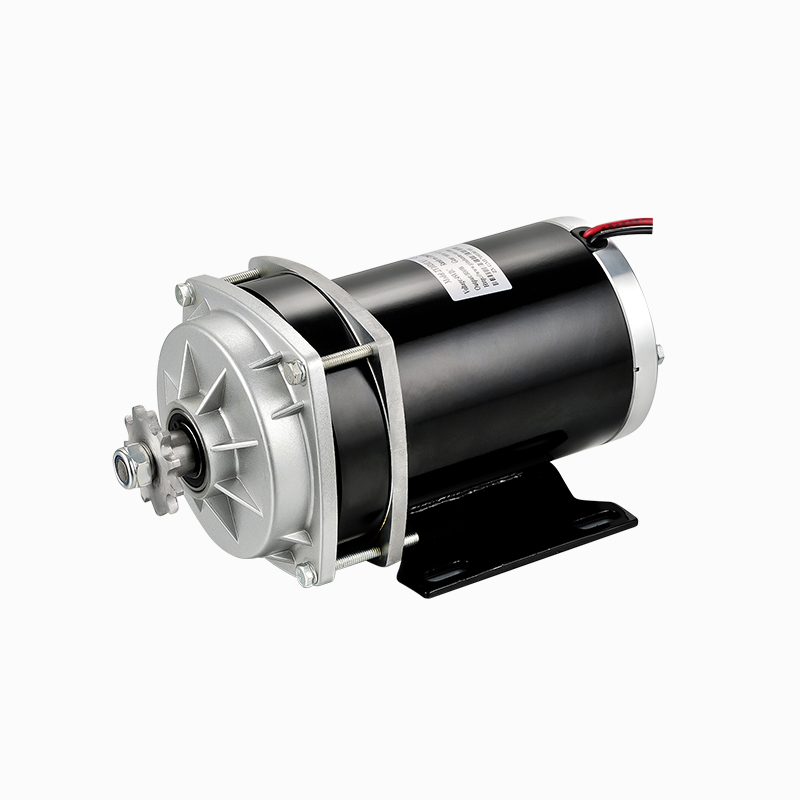
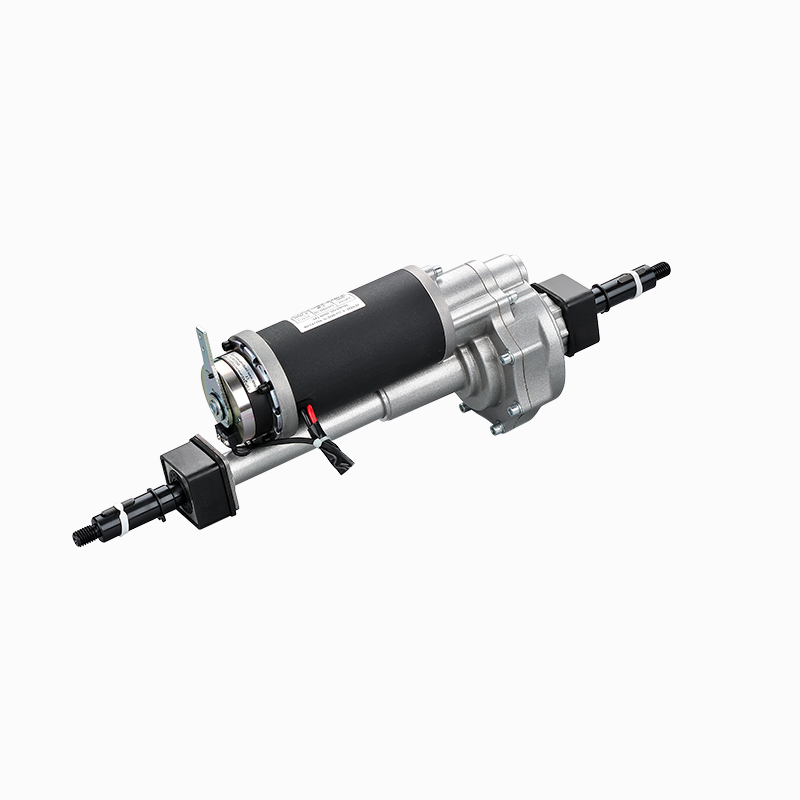
Read MoreWhen evaluating whether the efficiency of a DC Gear Brushed Motor decreases as load increases, it is important to understand the basic principles of motor physics. As load torque rises, the motor must draw more current to maintain rotation. This additional current increases copper losses in the windings and causes higher mechanical stress within the gearbox. The combination of elevated electrical and mechanical losses naturally reduces overall system efficiency. Although a moderate load can help the motor operate closer to its suitable efficiency range, heavier loads push the motor further from its suitable performance curve, resulting in progressively lower efficiency levels. This relationship makes load management a critical factor in selecting and sizing motors for reliable and efficient operation.
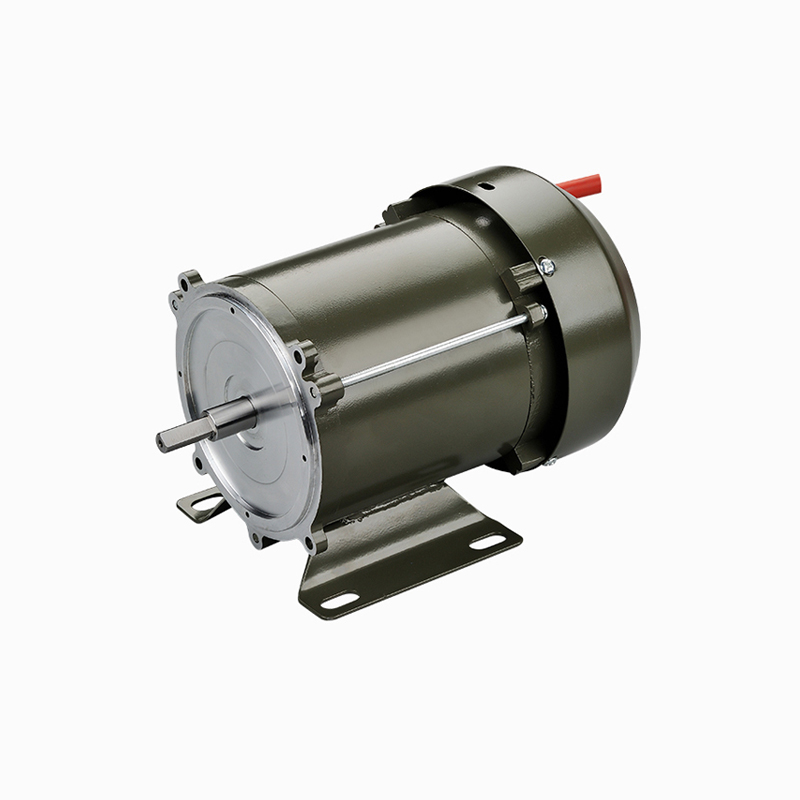
When a motor experiences increased load, the significant source of efficiency loss comes from electrical resistance within the copper windings. As current rises, resistive losses increase in proportion to the square of the current, meaning that even small increases in load can produce disproportionately large energy losses. These losses manifest as heat, raising the internal temperature of the motor. Higher temperatures not only reduce efficiency further but may also accelerate insulation fatigue, shorten motor life, and create thermal instability during prolonged operation. Proper electrical design and choosing a motor rated for the application’s expected torque range help reduce these effects.
Mechanical friction becomes more pronounced when the motor operates under a heavier load. The gearbox, which plays a central role in torque transmission, experiences increased contact pressure between gear teeth as torque rises. This additional friction generates heat and reduces the mechanical efficiency of the gear train. If the gearbox uses low-grade materials, inadequate lubrication, or worn gears, the efficiency drop becomes even more significant. To maintain better performance under load, using precision-machined gears, high-quality bearings, and appropriate lubricants is essential. These measures reduce mechanical resistance and help stabilize efficiency even when the motor encounters demanding operating conditions.
Another factor influencing efficiency under load is the reduction in motor speed. As the load increases, the motor naturally slows down, reducing the amount of back electromotive force (back EMF) generated. Back EMF normally helps limit current draw, but when it drops, the motor pulls even more current to maintain torque. This creates a cycle where increased load causes lower speed, lower back EMF, higher current, and further efficiency losses. Understanding this behavior allows engineers to predict performance changes and design systems that avoid excessively slow or overloaded operation.
Heat buildup caused by load-induced losses eventually affects not only short-term efficiency but also long-term performance. Elevated temperatures increase internal resistance, reduce magnet strength, and accelerate wear on brushes and commutators. As a result, a motor that frequently operates under heavy loads may show declining efficiency over time even when the load remains unchanged. Incorporating effective heat dissipation features—such as aluminum housings, airflow channels, or thermal protection circuits—can mitigate these long-term effects and maintain more consistent efficiency across the motor’s lifespan.
To prevent sharp efficiency declines, engineers can optimize how the load is applied and distributed. Using higher gear ratios can reduce the motor’s torque burden, shifting more of the mechanical work to the gearbox. Implementing soft-start circuits helps avoid high current spikes during startup. Ensuring smooth mechanical alignment and reducing friction in the driven mechanism also prevent unnecessary load increases. By managing torque demands more effectively, the motor can operate closer to its suitable efficiency range.
The efficiency of a DC Gear Brushed Motor does decrease as load increases, primarily due to rising electrical and mechanical losses. However, thoughtful system design—including proper motor sizing, gearbox selection, lubrication, cooling, and load distribution—can significantly slow the efficiency drop and enhance operational stability. With the right engineering approach, even heavy-load applications can achieve reliable and reasonably efficient motor performance.

+86-18023576732
+86-0579-89008006
Fax: +86-0579-82206899


Bailongqiao Dongxi Industrial Zone, Wucheng District, Jinhua, Zhejiang, China.
On weekdays, we will reply to you or call us within 12 hours after receiving the inquiry.
Understanding Temperature Effects on Brushless Motor Barrier...
Understanding Torque and Load in Electric Wheelchair Gear Mo...
Copyright © Zhejiang Norton Motor Co., Ltd. All Rights Reserved.

Custom DC Reduction Motor Factory

Contact Us