

 Deutsch
 Español
 Français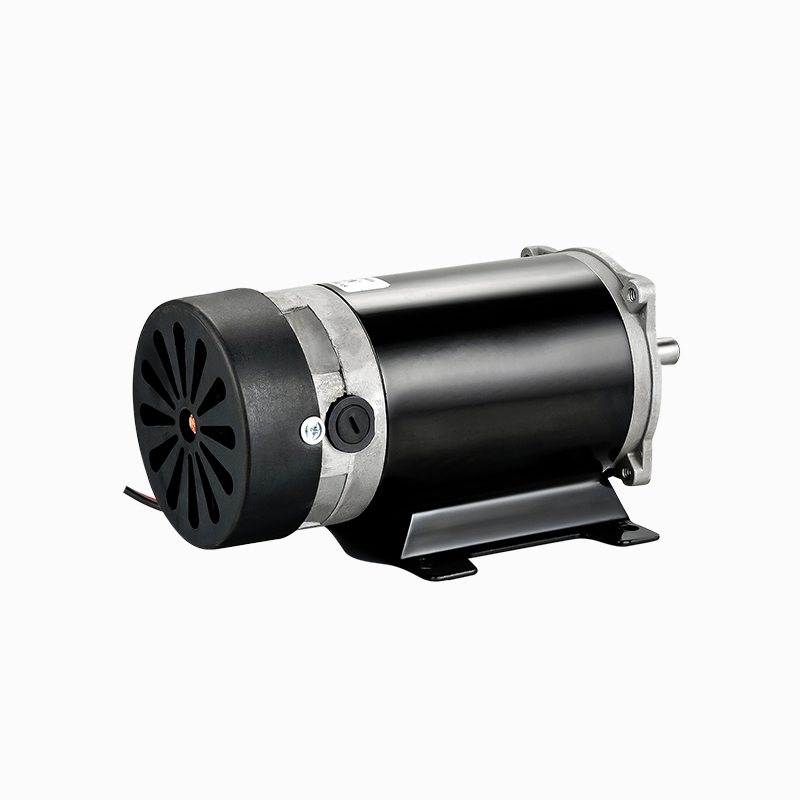
Call us
+86-18023576732
+86-0579-89008006
Fax: +86-0579-82206899

Our team is proud to offer on time guarantee and product guarantee to customer satisfaction.
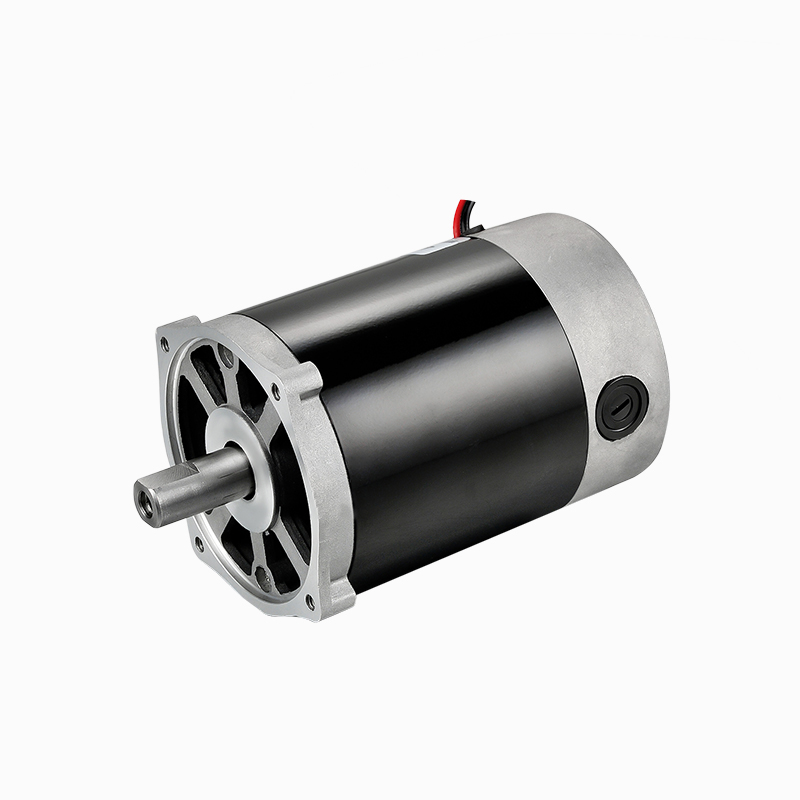
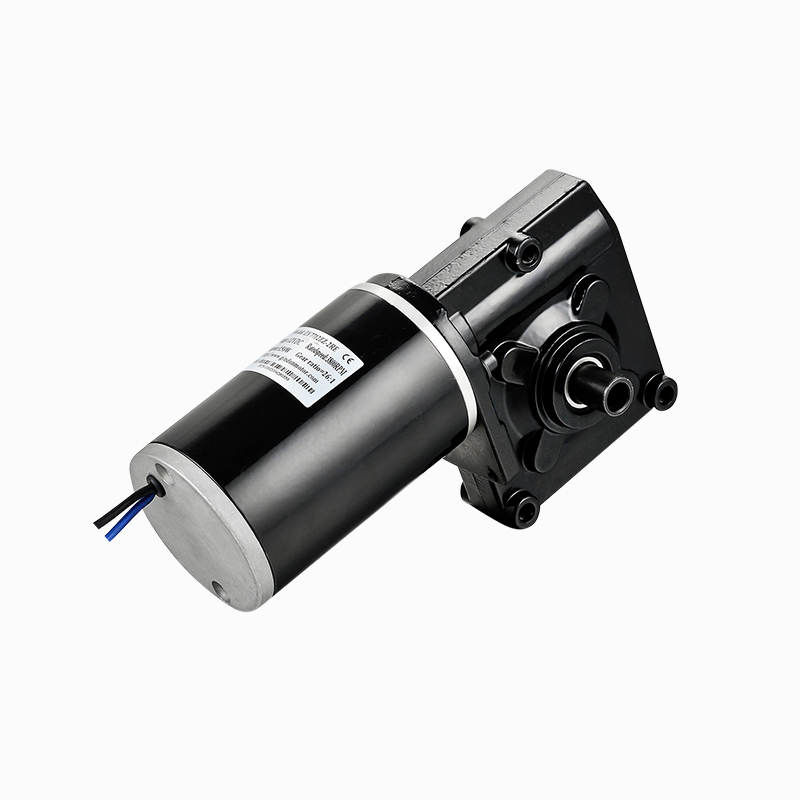
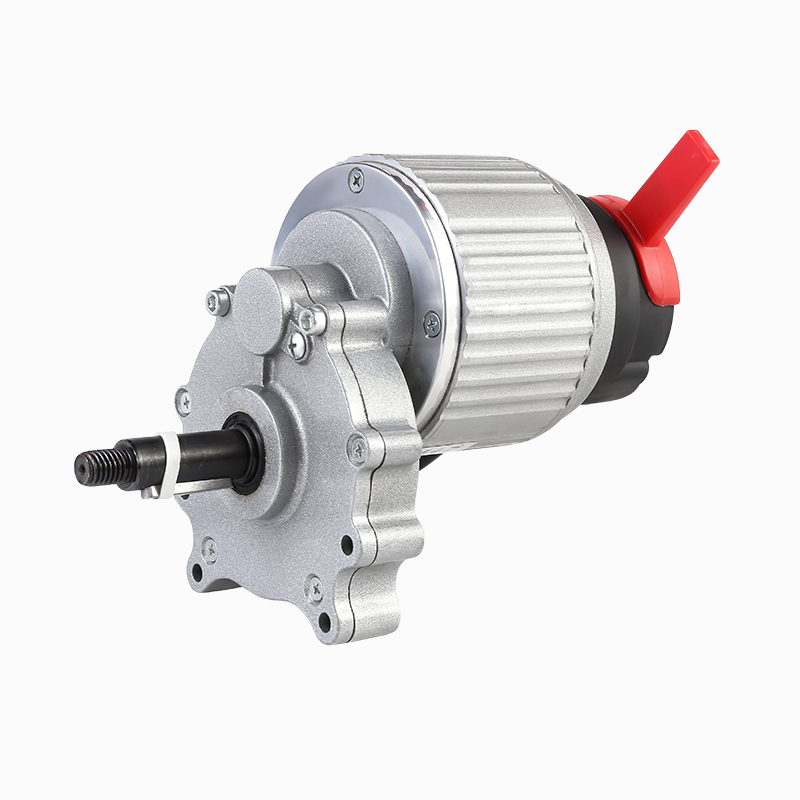
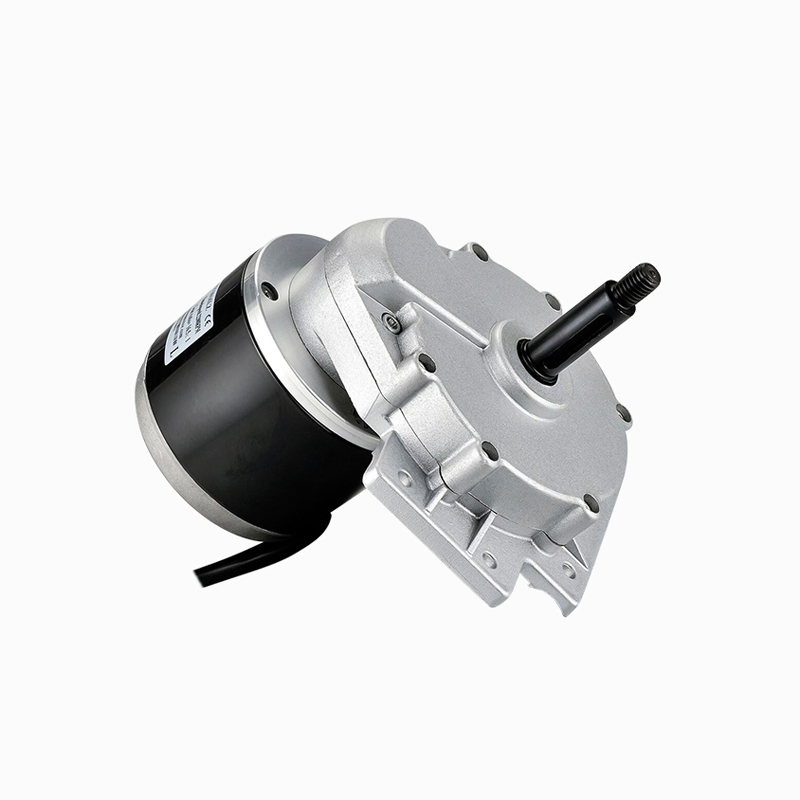
Read MoreDC Gear Brushed Motors are widely used in robotics, automation, and small machinery due to their simplicity and cost-effectiveness. However, noise and vibration are common issues that can affect performance, reduce lifespan, and create an unpleasant operating environment. The sources of noise and vibration include mechanical misalignment, brush contact irregularities, gear backlash, and electrical disturbances. Understanding these factors is a step toward reducing their impact. High-quality DC Gear Brushed Motor designs often incorporate features to reduce vibration, but proper installation and maintenance are equally important for suitable operation.
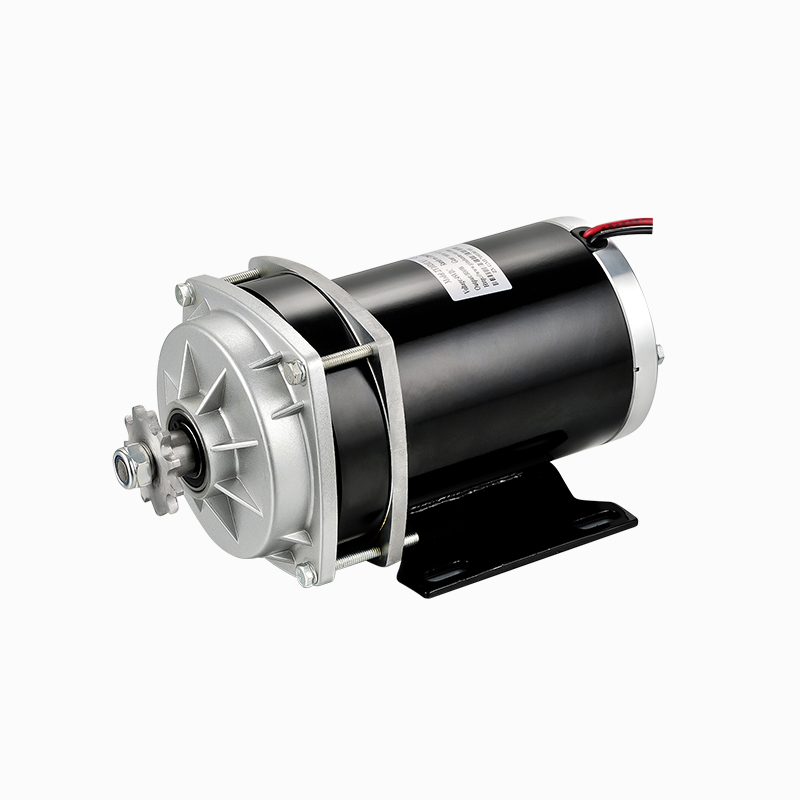
One of the main causes of vibration in DC Gear Brushed Motors is mechanical misalignment between the motor shaft and connected components. Misalignment can generate uneven forces, causing oscillations, gear wear, and excessive noise. Ensuring precise alignment during installation reduces these mechanical stresses. Using couplings or flexible mounts can also absorb minor misalignments, preventing them from transferring to the motor or connected devices. Regular inspection of the mounting points and gearbox helps maintain alignment over time, ensuring consistent low-vibration operation.
The gears within a DC Gear Brushed Motor can produce significant noise if there is excessive backlash or improper engagement. Selecting motors with precisely machined gears and clearance reduces the likelihood of rattling. Lubrication is another critical factor; applying the correct type and amount of lubricant to the gears reduces friction, wear, and vibration. Periodic maintenance ensures that lubrication remains effective and prevents the buildup of debris that could increase mechanical noise. By optimizing gear interaction, users can achieve quieter and smoother motor operation.
Brush contact irregularities are a significant source of both electrical noise and vibration in DC Gear Brushed Motors. Uneven or worn brushes can cause intermittent electrical contact, producing a fluctuating torque and vibration. Choosing high-quality brushes and maintaining the commutator surface reduces these issues. Regular inspection, cleaning, and timely replacement of brushes help maintain consistent electrical contact, which directly lowers noise and vibration levels. Some motors also feature brush holders with spring tension adjustment, allowing users to optimize contact pressure for quieter operation.
Additional vibration-dampening measures can further reduce noise levels. Mounting the motor on soft pads or vibration-absorbing brackets isolates the motor from the rest of the system, preventing vibrations from propagating. In sensitive applications, using rubber or silicone gaskets between the motor and chassis can absorb high-frequency oscillations. Selecting DC Gear Brushed Motors with balanced rotors and anti-vibration designs also contributes to quieter performance. These strategies combine to significantly reduce audible noise and mechanical vibrations during operation.
Reducing noise and vibration in DC Gear Brushed Motors requires attention to mechanical alignment, gear quality and lubrication, brush and commutator maintenance, and vibration dampening techniques. By addressing each of these factors, users can enhance motor performance, extend lifespan, and create a quieter and more efficient operating environment. Proper installation, regular maintenance, and careful selection of motor components ensure that DC Gear Brushed Motors operate smoothly and reliably in various applications.

+86-18023576732
+86-0579-89008006
Fax: +86-0579-82206899


Bailongqiao Dongxi Industrial Zone, Wucheng District, Jinhua, Zhejiang, China.
On weekdays, we will reply to you or call us within 12 hours after receiving the inquiry.
Understanding Temperature Effects on Brushless Motor Barrier...
Understanding Torque and Load in Electric Wheelchair Gear Mo...
Copyright © Zhejiang Norton Motor Co., Ltd. All Rights Reserved.

Custom DC Reduction Motor Factory

Contact Us