

 Deutsch
 Español
 Français
Call us
+86-18023576732
+86-0579-89008006
Fax: +86-0579-82206899

Our team is proud to offer on time guarantee and product guarantee to customer satisfaction.
Read MoreThe compatibility of an Electric Wheelchair Motor is a critical factor in ensuring smooth operation and user safety. A motor that does not match the specifications of the wheelchair can cause performance issues, reduce battery life, and even damage the control system. Compatibility involves not only matching the physical size and mounting points but also ensuring the motor’s electrical and mechanical specifications align with the wheelchair’s design. Manufacturers provide guidelines that help users select compatible motors, but understanding key parameters is essential for both new installations and replacements.
One of the important aspects of motor compatibility is the electrical characteristics. Voltage and current ratings must match the wheelchair’s battery and control system to prevent overheating or system failure. Using a motor with higher voltage requirements than the battery can cause underperformance, while a lower-rated motor may draw excessive current and strain the system. It is also important to check the type of connectors and wiring harnesses, as mismatched electrical connections can cause operational failures or pose safety risks. Users should refer to the manufacturer's specifications to confirm electrical compatibility before installation.
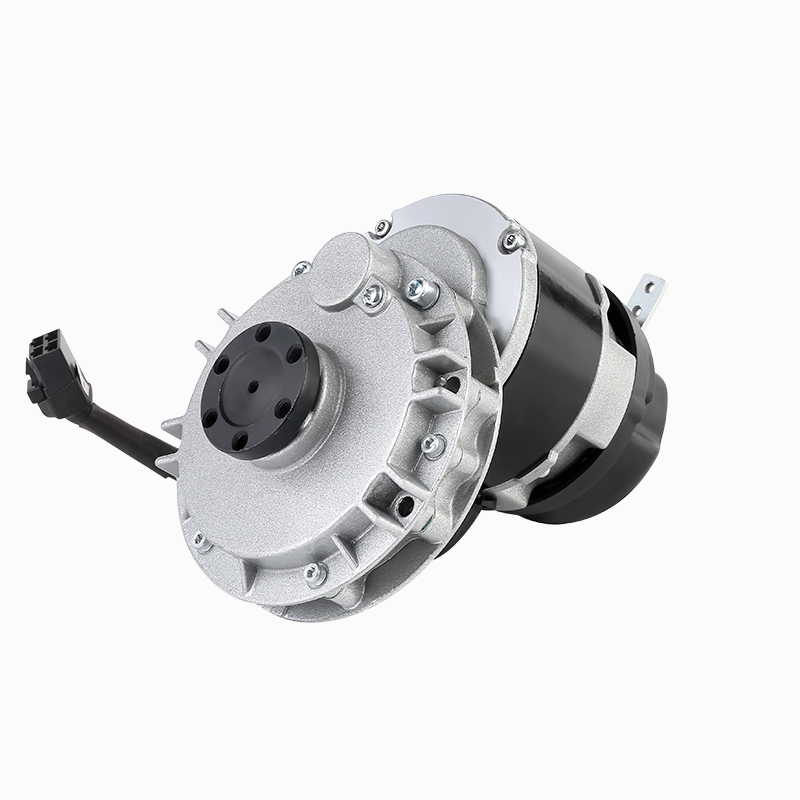
Mechanical compatibility is equally important when installing or replacing an Electric Wheelchair Motor. The motor must physically fit within the wheelchair frame, and mounting holes must align with the existing structure. Shaft diameter, length, and orientation are also crucial factors to ensure smooth power transmission to the wheels. Incorrectly sized motors can cause misalignment, excessive vibration, or premature wear of the drivetrain components. Additionally, considering the weight of the motor is important, as an overly heavy motor may affect the wheelchair’s balance and maneuverability.
Electric Wheelchair Motors must integrate seamlessly with the wheelchair’s controller and electronic systems. Different motors may require specific controllers to manage speed, torque, and braking. Incompatible controllers can result in poor acceleration, jerky movement, or even safety hazards. When upgrading or replacing a motor, it is advisable to ensure that the controller supports the new motor’s specifications and that firmware or software updates are applied if necessary. Proper system integration ensures suitable performance and extends the lifespan of both the motor and the wheelchair.
A reliable way to ensure compatibility is to follow manufacturer recommendations. Many reputable Electric Wheelchair Motor suppliers provide detailed compatibility charts and guidelines. Consulting these resources can help identify which motors are suitable for specific wheelchair models and usage conditions. In addition, some manufacturers offer technical support to verify compatibility, particularly when custom installations or modifications are needed. By relying on verified information, users can avoid costly mistakes and ensure that the motor functions correctly and safely.
Ensuring the compatibility of an Electric Wheelchair Motor involves careful consideration of electrical specifications, mechanical fit, and controller integration. By understanding these factors and following manufacturer guidelines, users can achieve suitable performance, safety, and longevity for their wheelchairs. Proper compatibility checks prevent operational issues, reduce maintenance costs, and enhance the overall user experience, making it a critical step for anyone installing or replacing an electric wheelchair motor.

+86-18023576732
+86-0579-89008006
Fax: +86-0579-82206899


Bailongqiao Dongxi Industrial Zone, Wucheng District, Jinhua, Zhejiang, China.
On weekdays, we will reply to you or call us within 12 hours after receiving the inquiry.
Understanding Temperature Effects on Brushless Motor Barrier...
Understanding Torque and Load in Electric Wheelchair Gear Mo...
Copyright © Zhejiang Norton Motor Co., Ltd. All Rights Reserved.

Custom DC Reduction Motor Factory

Contact Us